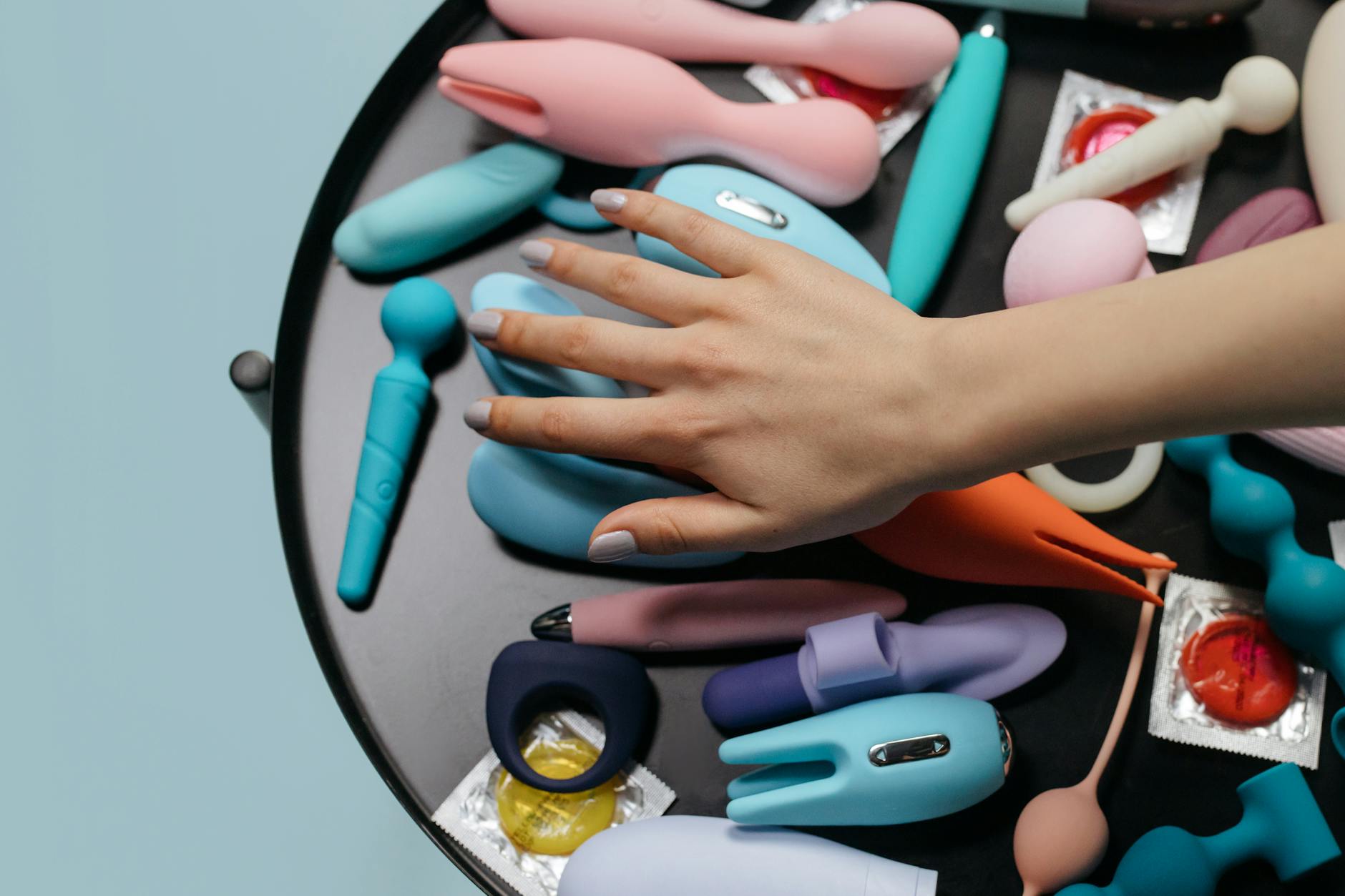
Here's what a relationship rut actually is
It's not that you stopped loving each other. It's that intimacy got swallowed by life. Work stress, kid schedules, family drama, financial worry. Sex either stopped happening or became mechanical. You both feel it. You both know something's missing. And because you both know it, neither of you knows how to bring it up without it feeling like a referendum on the relationship itself.
That silence creates the real problem. Not the lack of sex. The fact that you're both pretending it's fine when you both know it isn't.
The good news: ruts like this respond surprisingly well to something small and specific. A lemon vibrator isn't a magic wand. But it is a shared object that breaks the pattern without requiring either of you to perform intimacy you're not feeling yet.
Why a clitoral vibrator works when you're both stuck
When couples are in a rut together, the pressure to "fix it" usually makes things worse. You both feel like you're supposed to want sex more. You both feel like you're failing. So you either avoid the topic entirely or have a sad conversation about it that lands nowhere.
A lemon clitoral vibrator does three things that regular sex can't when you're in this space.
First, it's permission to be selfish for ten minutes. Not in a bad way. In a "my pleasure is actually important" way that gets forgotten in long-term relationships. When someone you love gets to focus on their own sensation without performing for you, it often creates more genuine intimacy than sex ever does in that moment.
Second, it's low-stakes exploration. You're not trying to have a perfect orgasm or prove anything. You're just trying the toy together, seeing how it works, maybe laughing at the awkwardness. That laughter breaks tension in a way very little else can.
Third, watching your partner experience real pleasure is often the thing that makes desire return. You've been having sex on autopilot. Seeing them discover a new sensation, actually enjoying themselves? That's different. That's the thing that reminds you why you wanted them in the first place.
How to actually bring it up
Let's get practical. You've been avoiding this conversation for a reason. Here's how to not make it worse.
Don't start during sex. Don't start when you're both tired. Don't make it a big relationship talk. You're not trying to "save" anything yet. You're just trying to break a pattern.
Pick a neutral moment. Maybe you're doing dishes. Maybe you're in the car. Somewhere you're not making eye contact if you don't want to.
Try: "I've been thinking about us lately. I miss feeling close to you, even though I know things have been stressful. I don't want to have some big conversation about it. I was actually wondering if you'd want to try something small together. Just to reset a little."
That's it. You're not asking them to have amazing sex with you. You're asking them to try something new. That's a much easier yes.
If they say no, don't push. That's useful information. It usually means they're not ready for this conversation yet, and that's okay. Try again in a few weeks.
If they say yes, you've just created permission to explore together.
The actual mechanics
Here's what I recommend for couples using a lemon vibrator when you're both in a rut.
Start with the person who's most curious about it. Not out of pressure. Out of genuine interest. That person gets to explore it solo first, maybe for five minutes, without any expectation of performance. Just figuring out what the sensation is, what settings feel good, where the sweet spot is.
Then, if they want to, they invite their partner to watch. Not to participate yet. Just to be present and see what's happening. This is where the magic often starts. There's something vulnerable about someone you love seeing you pursue pleasure that doesn't involve them. And something connecting about being allowed to watch that.
After that, if you both want to, the person with the vibrator might guide their partner's hand to the toy. Not to use it, just to hold it. To feel how it works, what the intensity is, where it's being used. That's the bridge between watching and participating.
If both of you want to keep going, then you have options. The receiving partner can continue using it themselves while the other person touches them elsewhere. Or you can switch and they get their turn.
The key point: there's no "supposed to." If you try it and it feels weird, you stop. If one of you wants to stop, you stop. The entire point is that this is optional and low-pressure.
What often happens after
Most couples report that after using a lemon clitoral vibrator together, they want to have sex again within a few days. Not because the toy was life-changing. But because they had an experience together that didn't feel like obligation.
That matters. That's the thing that usually kills intimacy in long-term relationships. The sex starts feeling like a chore or a way to solve a problem instead of a way to feel close.
Breaking that pattern, even once, reminds your nervous system what pleasure actually feels like. What being desired actually feels like. What it feels like to want something instead of doing it because you're supposed to.
After that reset, regular sex often feels different. Better. Less pressure.
When you should also talk to someone
If you try this and nothing shifts, or if the rut is tied to bigger relationship stuff like resentment or infidelity, a sex toy isn't the answer. That's the time to work with a couples therapist. I say that because I see couples who try to use toys as a band-aid for real problems, and that never works.
But if the rut is situational, if it's just about life getting in the way and you both wanting to reconnect, a lemon vibrator is genuinely useful. It's specific. It's low-stakes. It breaks the pattern without requiring either of you to pretend you're feeling something you're not yet.
There's also something worth saying about starting with a clitoral vibrator like the Lem rather than something penetrative. When you're both in a rut, pleasure often feels unfamiliar. A suction-based clitoral vibrator focuses on sensation in a way that usually bypasses the weird performance anxiety that comes with trying to be sexy again. It just feels good. That's where you want to start.
The real thing ruts require
Honestly though, what breaks a relationship rut isn't the toy. It's the fact that you both decided the rut mattered enough to address. That you both said yes to trying something that felt a little awkward. That you both showed up without pretending.
The lemon vibrator is just the excuse to do that.
People also ask
What if we try this and it feels really awkward?
It probably will feel a little awkward. You're trying something new with someone you've been intimate with for years. That weirdness is fine. That's actually what breaks the pattern. After the first time, most couples say it felt less awkward. By the second time, they're laughing about it. The awkwardness is the bridge between the rut and whatever comes next.
Can using a toy make my partner feel inadequate?
Not if you frame it right. The key is making it clear that this is about both of you exploring sensation together, not about them failing to do something. That's why I recommend starting with them watching, not immediately using the toy. You're not replacing them. You're adding something. And usually, after a partner sees the other person experience real pleasure from a lemon clitoral vibrator, they want to be involved. That feels good.
How often should we use it after the first time?
Whatever feels natural. Some couples use it once and then move on to regular sex. Some couples make it a weekly thing. Some use it solo now and then, and sometimes together. There's no right answer. The toy is a tool, not a mandate. Use it when you both want to.
What if only one of us is interested in toys?
That's really common and totally fine. The person who's interested can use it solo. The other person doesn't have to be involved at all. That said, sometimes the resistant partner becomes curious once they see how much pleasure the other person is having. Don't push. Just leave the door open. Many couples find that giving one person permission to use a toy actually increases overall intimacy, even if the other person never uses it.
How do I use a lemon vibrator if we have kids and no privacy?
Same way you figure out privacy for sex when you have kids. Early morning. Late at night. Lock the door. Running water to cover noise. A short experience is fine. You don't need thirty minutes. Five minutes of shared attention is enough to reset the pattern.
Does this mean something is wrong with our relationship?
No. It means you're both busy and human. Long-term relationships get ruts. That's not a sign of failure. That's a sign that life got in the way and you both need to remember why you liked each other in the first place. A lemon vibrator is just one way to do that.
References and sources
Gottman, J. M., & Silver, N. (2015). The Seven Principles for Making Marriage Work. Harmony.
Perel, E. (2018). Mating in captivity: Reconciling the erotic and the domestic. Harper.
For more on how couples can reconnect through shared exploration, see our guide on rebuilding intimacy with your partner after time apart. If you're both interested in learning more about choosing a clitoral vibrator that works for different bodies, we have detailed information on how to choose the best lemon vibrator for your body type. And if one of you is still hesitant about toys, our resource on using a lemon vibrator when your partner resists toys might help.