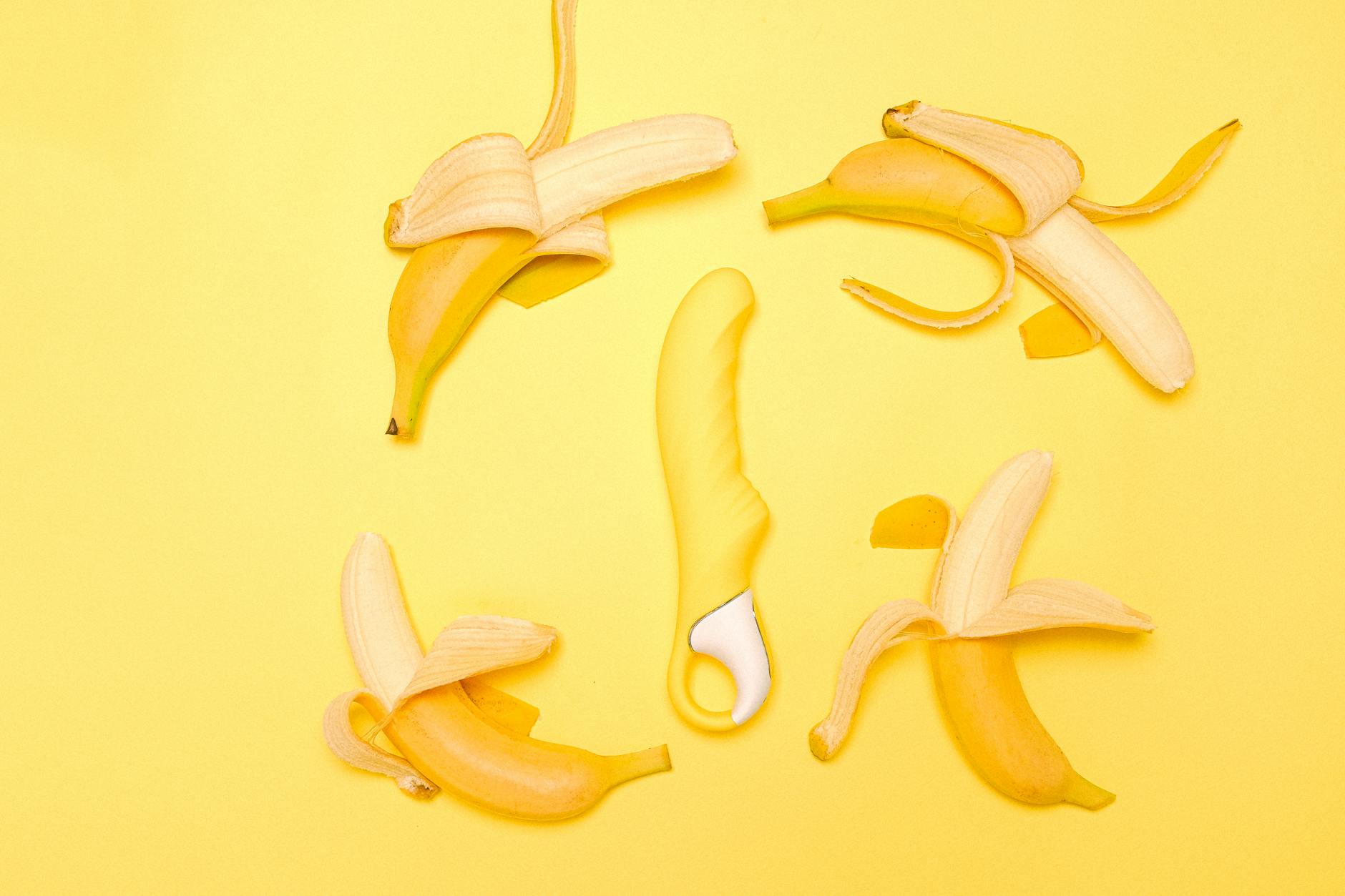
Let's be real about vibrators and bodies
Not every clitoral vibrator works for every person. This is the thing no one says clearly enough. You can read a thousand five-star reviews and still end up with a lemon vibrator that feels wrong for your body. Wrong can mean too intense, too shallow, the wrong shape, the wrong angle. The vibration pattern that made your best friend's eyes roll back might feel like an angry wasp to you.
The good news: knowing what to look for changes everything. Your body has specific needs based on anatomy, tissue sensitivity, and how you respond to stimulation. Once you understand those variables, finding the right clitoral vibrator shifts from guesswork to strategy.
Why one vibrator doesn't fit all bodies
Think of it like shoe shopping. A shoe that fits a narrow foot perfectly will slide around on a wider foot, no matter the reviews. Same principle applies to lemon vibrators and clitoral anatomy. Your vulva is uniquely shaped. The clitoris sits at different angles depending on how your tissue drapes. Some people have a clitoral glans that's tucked under the hood. Others have one that's more exposed. Sensitivity varies wildly between bodies.
On top of anatomy, there's sensation preference. Some people love pinpoint intensity. Others need broader, gentler stimulation. Some respond best to patterns. Others want steady rhythm. The vibration pattern that feels like ecstasy for one person feels like static for another.
Add in variables like hormonal cycle, medication, stress levels, and whether you're touching yourself or a partner is doing the work, and suddenly cookie-cutter advice becomes useless.
The clitoral anatomy question
Start here: where is your clitoris, and what does the tissue around it feel like? This isn't clinical. It's practical.
If your clitoral glans feels fully exposed and sits slightly forward, a direct suction toy like the Lem vibrator works beautifully. The suction creates stimulation without heavy friction. If your clitoris is more hooded or retracted, you might need a toy with a broader head that can stimulate the area around the clitoris, not just the glans itself. If your tissue is sensitive to pressure, suction-based toys often feel better than traditional vibrators because they stimulate nerve endings without direct mechanical force.
Here's what I tell my clients: if you've never explored your anatomy with a mirror and your hands, do that first. Not for anyone else. For yourself. Notice where sensation concentrates. Notice whether direct touch feels amazing or overwhelming. That baseline matters more than any product review.
The sensitivity spectrum
Clitoral sensitivity exists on a spectrum. Where you fall determines which lemon sexual toys actually feel good.
High sensitivity means light touch creates big sensations. If this is you, start with the lowest vibration setting on any toy. You don't need intensity. You need control. A lemon vibrator set to pattern 1 might be perfect. A toy marketed as "gentle" might still be too much. Some people with high sensitivity prefer toys without aggressive patterns. They want simple, steady rhythm so they can focus on building arousal.
Medium sensitivity is the middle ground. Most people land here, and it's easier to troubleshoot because moderate intensity toys typically work. The Lem vibrator, for instance, offers a range of patterns and intensities that accommodate most sensitivity levels.
Low sensitivity means you need stronger sensation to feel anything. If you're here, you want a clitoral vibrator that goes genuinely intense. Some lemon adult toys have maximum intensity settings that feel gentle to you. Don't apologize for this. Your nervous system processes sensation differently, and that's normal.
If you're not sure where you fall: start with your hand. Masturbate and notice what pressure, speed, and pattern actually makes sensation build. That's your sensitivity baseline.
Size, shape, and angle matter more than you think
Toy head size affects how stimulation spreads across your tissue. A smaller head creates pinpoint intensity. A larger head spreads stimulation across a wider area. Neither is better. It depends on what feels good for your body.
Shape affects angle. Some lemon vibrators have a curved head that angles slightly. Others are straight. A curved design can reach different tissue angles depending on how you position it. If you masturbate by lying back with legs slightly apart, a straight vibrator works. If you like pressure from a different angle, curved might be your friend.
Thickness also matters. A thinner toy is easier to maneuver and gives you precision control. A thicker toy creates broader contact. Again, neither is wrong. It's about what you can comfortably hold and angle the way your body wants.
The vibration pattern decision
Some lemon clitoral vibrators offer one steady rhythm. Others have seven or seventeen different patterns. There's a myth that more patterns are automatically better. Not true.
If you know exactly what makes you orgasm, fewer patterns might be perfect. You don't want to waste time hunting for the right sensation. One reliable, intense pattern does the job. If you're still discovering what works, multiple patterns give you options to experiment.
Here's what I've noticed: patterns feel amazing for novelty and exploration. Steady rhythm feels meditative and reliable. If you're using the toy solo for pleasure, patterns are fun. If you're using it with a partner during sex or foreplay, steady rhythm often feels less distracting. You can focus on connection without your brain tracking whether you're on pattern 3 or pattern 5.
The partner variable
Using a clitoral vibrator solo is different from using one with a partner. If a partner will be holding it, weight and size matter more. A heavy toy gets tiring. If you're holding it yourself, you have more control over angle and pressure.
If a partner is new to toys, consider starting with something intuitive. The Lem vibrator, for instance, has straightforward controls and natural positioning. A toy that requires reading instructions or figuring out angles makes the first experience less smooth.
Also think about noise. Some vibrators are whisper-quiet. Others are audible. If you live with roommates or kids, that factors in. It shouldn't be shameful, but it's practical to consider.
Hormonal shifts change sensitivity
One more thing: your sensitivity to vibration isn't fixed. It shifts with your cycle if you menstruate. Estrogen and progesterone fluctuations affect clitoral blood flow and tissue responsiveness. The toy that felt perfect last week might feel different this week.
Similarly, if you're on hormonal birth control, antidepressants, or managing a hormonal condition like PCOS, sensitivity can shift. If you're in perimenopause or menopause, clitoral tissue changes. A toy that worked for years might suddenly feel too intense or not intense enough. That doesn't mean your body is broken. It means your body is changing, and you might need to adjust.
This is actually why having a clitoral vibrator with multiple intensity settings matters more than one perfect setting. Your body will thank you for flexibility.
Testing before committing
Ideally, you'd test a toy before buying. In reality, most of us buy online and hope. Here's what helps: read reviews from people with your body type or sensitivity level. Look for patterns in what people say felt good or frustrating. If someone with a similar body type raves about a toy, that's useful data.
When a toy arrives, test it on your arm or hand first. Does the vibration feel pleasant or jarring? Is the size comfortable to hold? Does the button placement make sense? Then, in private, test it on your body with no performance pressure. You're gathering information, not auditioning for anyone.
Give it real time. Some toys feel awkward at first because you're learning how to position them. Some feel wrong immediately because they genuinely don't suit your body. You'll know the difference pretty quickly.
A note on comfort and permission
Choosing the right lemon vibrator is partly logistics and partly permission. Some people feel guilty about pleasure optimization. They think they should be grateful for whatever works. Your pleasure deserves specificity. You deserve a toy that actually feels good for your body, not a compromise toy that works "okay."
Take the time to choose thoughtfully. Try it. If it's not right, try something else. Your body will tell you when you've found the match.
FAQ: Choosing the right clitoral vibrator
How do I know if a lemon vibrator is right for my sensitivity level?
Start by masturbating with your hand and notice what pressure and speed feel good. Light touch that creates big sensation means high sensitivity. Strong pressure needed for sensation means lower sensitivity. Medium sensitivity means moderate pressure feels natural. When you buy a clitoral vibrator, choose intensity settings that match this baseline. You can always increase, but overwhelming sensation at first use creates negative associations. Go lower than you think you need, then adjust up.
Can I use the same clitoral vibrator during different parts of my cycle?
Absolutely. Sensitivity shifts with hormonal fluctuations, which means the same toy might feel different week to week. A toy with multiple intensity settings accommodates these shifts. During higher-estrogen phases, you might enjoy pattern 4. During lower-estrogen phases, pattern 1 might feel better. This isn't the toy failing. It's your body naturally responding to hormonal rhythm.
What's the difference between a lemon sucker and a traditional vibrator?
Traditional vibrators use mechanical vibration to create sensation. Lemon suckers, also called suction vibrators, use gentle suction and pulsing to stimulate nerve endings. Suction creates a different sensation profile. Many people find suction toys gentler on sensitive tissue because they don't involve direct friction. If friction-based toys feel overwhelming, suction-based lemon sexual toys often feel more comfortable.
Is a more expensive lemon clitoral vibrator automatically better?
Not necessarily. Price reflects build quality, materials, waterproofing, and battery life. A high-end toy made from medical-grade silicone with excellent engineering might last longer. A less expensive toy might feel just as good on your body. Choose based on your body's needs, not the price tag. That said, investing in a well-made toy that you'll use for years makes sense. A cheaply-made toy that frustrates you is a waste of money regardless of price.
How long should I try a lemon vibrator before deciding it's not right?
Give it at least three real uses before concluding it's wrong. First use is often awkward because you're learning how to position it. Sometimes it takes a few sessions for your body to acclimate to the sensation. That said, if it causes pain or discomfort, stop immediately. Pain is information. Awkwardness that resolves is normal. Pain that persists is your body saying no.
Can I use a lemon vibrator if I have a narrow or small clitoris?
Yes. Size of your clitoris doesn't determine which toys work. Position and sensitivity matter more. A smaller toy head might give you better control and precision. A toy with adjustable intensity helps you find the right strength. Explore what feels good and choose based on sensation, not assumptions about size.
The bottom line
Choosing a clitoral vibrator is personal. What works for someone else might not work for you, and that's not a failure. It's anatomy. Understanding your sensitivity, your anatomy, your preferences, and your body's signals is how you find the right lemon vibrator. You deserve pleasure that actually fits your body. Take the time to figure out what that looks like.
If you're still uncertain or have questions about what might work for your specific situation, reach out. We're here to help you find what actually feels good.