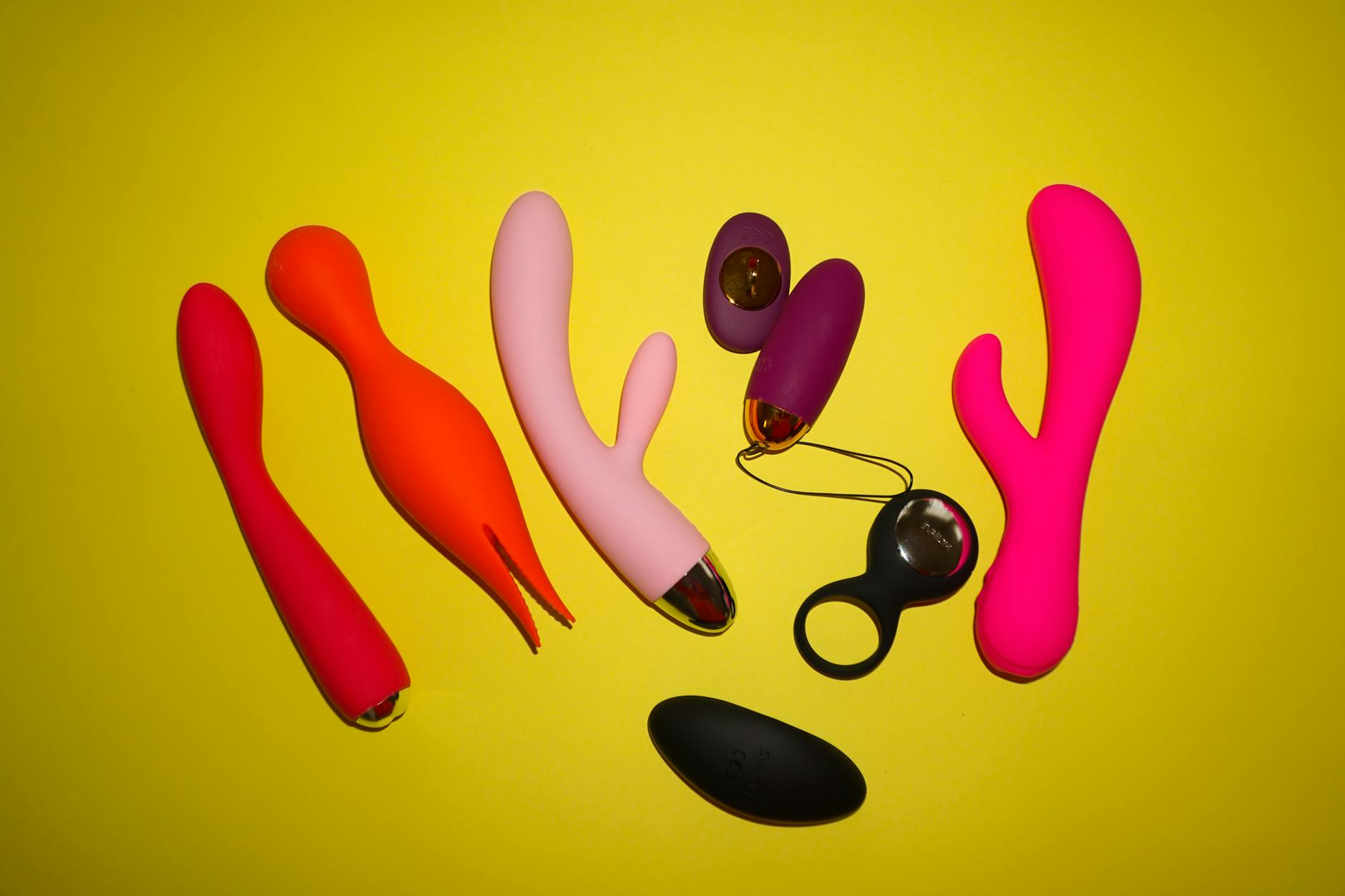
Why Lemon Vibrator Orgasms Feel Different After Your 20s or 30s
Here's what nobody warns you about: your orgasms will change. Not disappear. Change.
Maybe it takes longer to build. Maybe the intensity feels softer, or the recovery time is different. Maybe what used to work with a lemon vibrator in your twenties now feels off, and you spend fifteen minutes troubleshooting your own body like it's suddenly broken. It's not. It's just aged, and aging pleasure is one of the most misunderstood parts of sexuality that nobody talks about until you're already in it.
I talk to people in their late thirties, forties, and beyond who are genuinely confused about why their clitoral vibrators don't hit the same way, why orgasms take longer, or why the sensation feels different even when everything feels good. Most of them assume something is wrong. Most of them are wrong about that assumption.
How your nervous system changes with age
Your orgasm lives in your nervous system. Everything about how you experience pleasure is transmitted through nerves, and those nerves change as you age. Not for the worse. Just differently.
In your twenties, your nervous system is sitting on high alert. Arousal is fast. Orgasm is often quick, sometimes hair-trigger quick. This has to do with how your autonomic nervous system responds to stimulus. You're basically primed all the time, hormonally speaking, and your body reacts with speed.
By your thirties and forties, that hair-trigger response quiets down. Your nervous system is still completely capable of pleasure. It's just that the sensitivity distribution changes. What used to build fast now builds slower. What used to feel sharp might feel more diffuse. Some people experience this as a loss. I experience it as a recalibration.
This is exactly where tools like a quality lemon clitoral vibrator become genuinely useful. The suction-based stimulation that the Lem provides works beautifully with the realities of an aging nervous system because it doesn't rely on you being instantly primed. It creates its own momentum.
Why orgasm speed is not the same as orgasm quality
Let me be really clear about something: a slower orgasm is not a worse orgasm.
In your twenties, you might orgasm in two minutes with consistent direct stimulation. In your late thirties or forties, you might need eight to twelve minutes. Most people interpret this as dysfunction. It's not. It's a shift in how your body metabolizes arousal.
What often happens is that older orgasms have more layers. They don't spike as fast, but they can sustain longer. The sensation can be more distributed across your whole pelvic region instead of concentrated entirely in the clitoris. Some people describe orgasms in their forties as deeper, or more whole-body, than anything they experienced when younger.
The reason this matters for lemon vibrators specifically is that the pattern-based stimulation allows you to find and sustain the exact point where your arousal is building rather than getting frustrated chasing a speed that no longer fits your body. You set the rhythm. Your body follows. This changes everything.
Blood flow and hormone shifts
Your hormones don't just affect your menstrual cycle or fertility. They're running the entire pleasure show. Estrogen, testosterone, oxytocin. all of these fluctuate throughout your life, not just monthly.
After your mid-thirties, testosterone levels begin a slow decline. You probably know this affects desire, but what you might not know is that it affects sensation acuity too. Lower testosterone can mean slightly less genital sensitivity, which can mean orgasms feel muted. This is not permanent or irreversible. It's a signal that you might need more focused, consistent stimulation to reach the same level of pleasure.
Blood flow also changes. In your twenties, arousal is automatic. Your genital tissue engorges quickly and fully. In your forties, this process is slower. The tissue still engorges, but it takes more time and often requires more direct, sustained attention. This is why longer warm-up times matter more as you age, and why vibrators with consistent, pattern-based stimulation work so well. You're not fighting against your body's natural timeline. You're working with it.
Pelvic floor tension and pleasure paradox
Here's a weird one that catches almost everyone off guard: as you get older, your pelvic floor often gets tighter, not looser.
Stress, hormonal changes, aging of the muscle tissue itself. all of these can cause your pelvic floor to chronically contract. Ironically, a tight pelvic floor can make orgasms feel less intense, harder to reach, or sometimes almost numb. This is a genuine physiological barrier that has nothing to do with your capacity for pleasure and everything to do with muscle tension you probably don't even realize you're carrying.
The fix is counterintuitive: relaxation work. Pelvic floor stretches, breathing exercises, sometimes even physical therapy. But here's where a lemon vibrator helps in a specific way. Because the suction sensation is different from friction or pressure, it can sometimes help you access a state of relaxation that direct vibration doesn't. The rhythm becomes meditative. Your pelvic floor learns to release instead of clench.
Recovery and sensitivity after orgasm
In your twenties, you might orgasm, rest for five minutes, and be ready to go again. In your forties, you might need twenty minutes or longer before your genitals feel ready for more stimulation.
This isn't low libido. It's refractory period lengthening, which is completely normal and actually connected to how your nervous system processes the resolution phase of the sexual response cycle. Your body is literally spending more time integrating what just happened before it's ready for more.
The implication for you: there's no rush. The pressure to keep going, to have multiple orgasms, to prove something about your body's responsiveness. all of that can be let go. One orgasm that takes twelve minutes and then requires a recovery period is a full, complete experience.
Orgasm without the build
Some people report that after their thirties, they stop having the long build-up before orgasm. Instead, they reach a plateau, stay there for a while, and then the orgasm arrives suddenly. Others notice that arousal stays at a medium level and the transition to orgasm is less dramatic. The sensation might feel less like a peak and more like a wave.
None of this is dysfunction. It's variation. Your nervous system is still firing. Your clitoris is still responding. The experience is just different.
This is where experimentation with different lemon vibrator patterns matters. What worked at twenty-five might not be your baseline at thirty-eight. You might need slower patterns, longer ramp-up times, or different intensities depending on where you are in your cycle, your stress levels, or just how your body is feeling that day.
The mental piece nobody talks about
Here's the thing that often matters more than the biology: your relationship to your aging body.
If you're comparing your current orgasms to your twenties orgasms, you've already lost. You're grieving something instead of exploring what's actually happening. And that mental state directly impacts your nervous system's ability to reach pleasure. Stress, anxiety, and comparison all activate your sympathetic nervous system (the fight-flight response), which is the exact opposite of what you need for good orgasms.
When I work with clients in their late thirties and beyond, the turning point often isn't physical. It's the moment they stop expecting their pleasure to look like it did fifteen years ago and actually start asking what their current body is capable of. That shift in perspective changes everything. The orgasms don't get faster, but they get more satisfying because you're actually present for them instead of internally criticizing them.
How to adapt your lemon vibrator use as you age
If you already use a lemon clitoral vibrator and you're noticing changes, here's what actually helps.
First, longer warm-up time. Budget fifteen to twenty minutes of foreplay or solo exploration before you expect your body to be ready for the Lem. This isn't lazy or inefficient. It's how your body works now.
Second, patience with pattern selection. You might have gone straight to pattern four in your twenties. In your forties, pattern one or two might be exactly right. The intensity isn't low. It's just matched to what your nervous system is primed for that day.
Third, consistency over intensity. Instead of chasing a stronger sensation, try longer sessions at a moderate intensity. Let your arousal build gradually and sustain. This often produces deeper, more satisfying orgasms than the quick spike you used to chase.
Fourth, track your cycle even if you're not menstruating. Hormonal changes happen throughout the month even post-menstrually, and your sensitivity to the Lem might shift with these rhythms. Knowing when you're more or less responsive helps you adjust your expectations and avoid frustration.
When to check in with a professional
Not all changes are normal age-related shifts. If you're experiencing pain during or after orgasm, complete numbness that wasn't there before, or orgasms that have disappeared entirely, that's worth a conversation with a healthcare provider who specializes in sexual health.
Certain medications, undiagnosed hormonal issues, untreated pelvic floor dysfunction, and other medical factors can mimic normal aging but are actually treatable. The distinction matters.
The actual truth about aging and pleasure
Your orgasms don't peak in your twenties and decline from there. They transform. The nervous system that gives you pleasure becomes more sophisticated, more capable of nuance, more responsive to context and intention. Yes, you lose speed. You gain depth. You trade hair-trigger reactivity for something closer to genuine responsiveness.
This is why so many people describe the sex and pleasure of their forties as the best of their lives. Not because their bodies are younger. Because they finally understand their bodies well enough to work with them instead of against them. A lemon vibrator becomes not a replacement for failing pleasure but a tool for exploring what pleasure actually looks like when you stop comparing it to the past.
People also ask
Do orgasms actually feel different as you get older?
Yes. The speed, intensity, and sensation distribution of orgasms typically change in your late thirties and beyond. This is due to shifts in nervous system sensitivity, hormone levels, blood flow, and pelvic floor tension. These changes are physiologically normal and don't indicate loss of capacity. Many people find their orgasms more satisfying and complex at forty than they were at twenty, even if the physical experience is slower.
Why do lemon vibrators work well for older bodies?
Lemon clitoral vibrators use suction-based stimulation rather than friction, which is gentler on aging tissue and works beautifully with the slower arousal timelines that come with age. The pattern-based approach allows you to build arousal gradually instead of relying on the quick response you might have had in your twenties. This control matches how your nervous system actually functions as you age.
Is it normal for orgasms to take longer to reach as you age?
Completely normal. Your nervous system's response time naturally lengthens after your mid-thirties. What used to take two minutes might take eight to twelve minutes. This isn't dysfunction or low libido. It's a shift in how your body metabolizes arousal. Longer warm-up time and more sustained, consistent stimulation address this naturally.
Can hormonal changes affect how a lemon vibrator feels?
Absolutely. Shifts in estrogen and testosterone affect genital tissue sensitivity, blood flow, and overall arousal capacity. If your lemon vibrator feels different than it used to, hormonal fluctuations are a major reason. This is one reason why tracking your cycle even post-menstrually can help you anticipate and adjust for changes in sensitivity.
What should I do if my clitoral vibrator suddenly feels less effective?
First, adjust your timeline and expectations. Slower doesn't mean broken. Second, try different patterns or intensities than you used before. Third, focus on longer warm-up and more sustained sessions instead of shorter, intense ones. Fourth, check in with any stress, medication changes, or hormonal shifts that might be affecting your baseline sensitivity. If numbness or pain appears, talk to a healthcare provider.
Is there a best lemon vibrator for people over thirty-five?
Not one "best," but the lemon clitoral vibrator design is particularly well-suited to older bodies because of how suction-based stimulation interacts with naturally slower arousal. If you're choosing a lemon vibrator for your body, focus on finding a size and intensity range that matches your current sensitivity rather than assuming you need maximum power. Often less intense, longer sessions are more satisfying.
What's actually happening
Your pleasure is not declining. It's evolving. The changes you're noticing in how your orgasms feel, how long they take, and how your body responds are the natural result of a nervous system that's gotten older and, in many ways, smarter. Instead of fighting these changes or treating them as evidence of lost capacity, you can use them as information to deepen your understanding of what your body actually needs.
That's not a loss. That's wisdom.
If you're navigating these shifts with a partner, the conversation matters just as much as the physiology. How to rebuild intimacy after relationship distance and how to use a lemon vibrator with partners who want different intensities are both places where explicit communication about what's changed for you, and why, becomes the foundation for pleasure that actually fits your current life. You're not broken. You're just older, and that's allowed to be really good.