Does a Lemon Vibrator Cause Desensitization With Regular Use?
Here's the thing: you've probably heard that using a vibrator too much will numb you. That regular use of a lemon vibrator deadens sensation, shrinks your capacity for non-vibrator pleasure, maybe even makes you unable to orgasm without one. The myth is everywhere, whispered in friend group texts and shouted from wellness blogs that confuse correlation with causation.
It's mostly false. And the parts that aren't false are fixable.
What the research actually shows
There is no clinical evidence that vibrator use causes permanent desensitization. None. The fear persists because it feels true (vibration does create intense sensation), because pleasure is still weirdly taboo (so people assume frequent use must be "bad" in some way), and because a few small, outdated studies were wildly misinterpreted.
What does happen is temporary adaptation. Your nervous system adjusts to consistent stimulation. If you use the Lem on pattern 8 every single day for a week, pattern 8 might feel less intense by day six. That's not numbness. That's habituation, and it's completely reversible. Step back for three days, use a lower intensity, or switch to a different sensation entirely, and your sensitivity bounces right back.
Think of it like coffee. Drinking espresso daily makes that same cup feel weaker after a few weeks. It doesn't mean your taste buds are destroyed. It means your nervous system adapted. Stop for a week or switch to cold brew, and the intensity returns.
Why people confuse sensation with desensitization
There's a crucial difference between "I can't feel as much" and "my nerves are permanently damaged." Most of what people call desensitization is actually just this: you know what the sensation is now.
The first time you use a lemon sucker or a lem vibrator, novelty amplifies everything. Your brain is flooded with a brand new sensation pattern. By the tenth use, your brain catalogues it as "known," and the psychological intensity naturally decreases. The neural input hasn't changed. Your interpretation of it has.
Adaptation also happens with partners. New relationship energy makes ordinary touch feel electric. Two years in, the same touch feels different because your nervous system has catalogued it. But your capacity for pleasure hasn't shrunk. You've just adjusted to the baseline.

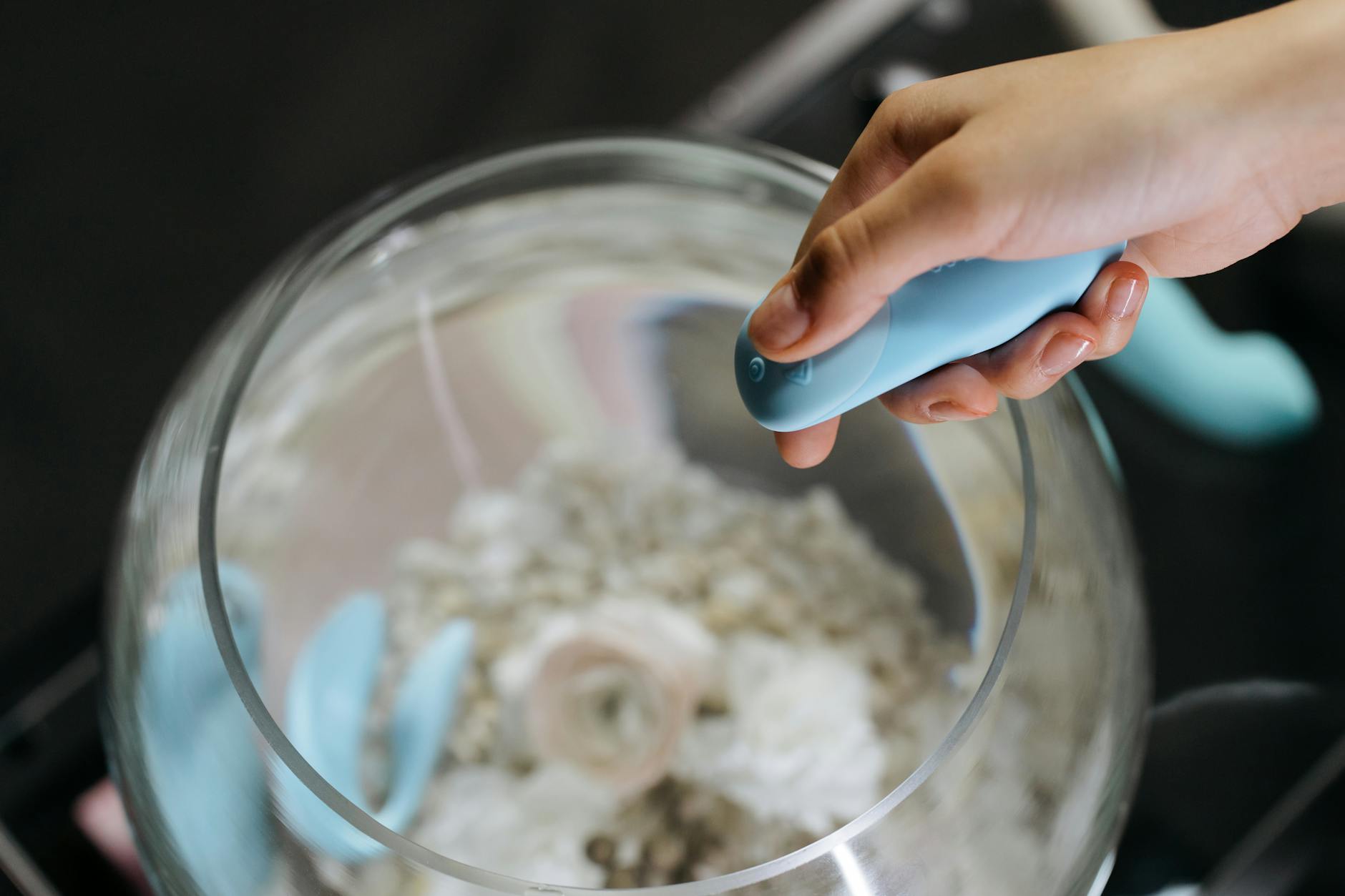
Photo by Ron Lach on Pexels
The intensity trap
Where I do see actual sensation changes is with intensity preference. People who use the highest settings on their lemon vibrator every time often find that lower intensities stop registering. That's not desensitization. That's preference creep.
Your clitoral tissue is remarkably sensitive. The clitoris has roughly 8,000 nerve endings concentrated in a tiny area. It doesn't take much stimulation to trigger pleasure. But if you train your body to expect intensity level 7 or 8, lower sensations feel underwhelming by comparison. Your nervous system isn't damaged. It's been recalibrated upward.
The fix is simple: rotate your intensities. Use pattern 4 one session, pattern 6 the next, pattern 2 for another. This prevents intensity creep and keeps the full range of sensation available to you. It's like cross-training for pleasure.
Switching between different types of stimulation helps too. The Lem offers a pulsing pattern that feels entirely different from sustained vibration. How to Use a Lemon Clitoral Vibrator for the First Time covers cycling through patterns specifically for this reason. A wand vibrator, a suction toy, a vibrator with a different frequency altogether—each hits different nerve pathways. This variety preserves sensitivity across your whole range.
The partner pleasure myth
One version of the desensitization fear goes like this: if you use a lemon vibrator regularly, you won't be able to orgasm from a partner's touch anymore.
Again, the research doesn't support this. What can happen (and is worth planning for) is that you might need different types of stimulation from different sources. Many people find that a partner's touch feels wonderful but differently intense than a clitoral vibrator. That's not a problem unless you treat it like one.
The nervous system doesn't have a fixed "pleasure budget." Using a lemon vibrator doesn't deplete your capacity for other kinds of pleasure. But your expectations might shift. If you spend six months getting off to intense vibration, then someone's touch feels subtle by comparison, you might misinterpret that difference as "I'm broken now."
You're not. You've just learned what you like. And that knowledge is powerful. How to Talk to Your Partner About Using a Lemon Vibrator Together discusses exactly how to integrate vibrator pleasure into partnered sex without either person feeling like they're competing with the toy.
The rare cases where sensitivity actually does shift
A few scenarios involve real sensation changes that matter:
Chronic thrush or infection from toy use. Using a vibrator that isn't cleaned properly, using it with active yeast, or not allowing skin recovery time between sessions can cause inflammation. Inflamed tissue has different sensation. This isn't desensitization. It's injury. Prevent it by reading the care instructions and taking breaks.
Nerve compression from prolonged vibration. Pressing the same vibrator at full intensity against the same spot for 45 minutes straight can create temporary numbing, like how your foot falls asleep. Stop, move around, and sensation returns. This is why 15-25 minute sessions are generally comfortable—your tissue gets stimulation without compression fatigue.
Pelvic floor tension. Paradoxically, some people who use vibrators frequently develop pelvic floor tension because they're bearing down during orgasm repeatedly without releasing. This can dull sensation over time because the muscles stay contracted. Kegel breaks, stretching, and learning to relax the pelvic floor reverses this.
Medication or hormonal shifts. Certain antidepressants, hormonal contraceptives, and menopause genuinely alter sensation. A lemon vibrator can't cause these changes, but if they're happening alongside your vibrator use, it's easy to blame the toy. How to Recover Your Libido After Starting Antidepressants covers this specifically.
How to use a vibrator sustainably
If you want to avoid even temporary adaptation, here are the moves that work:
Vary intensity and pattern. Don't live on pattern 8. Spend sessions on patterns 1-4. The variety keeps novelty alive and prevents intensity creep.
Take breaks. You don't need to abstain for months. A three-day break weekly is enough to reset sensation. Your nervous system will thank you.
Rotate between toy types. A lemon vibrator feels different from a wand, which feels different from a finger vibrator. Using different textures and stimulation styles keeps sensation fresh and prevents your body from adapting to one specific frequency.
Don't push through numbness during a session. If you stop feeling much partway through, pause. Your nervous system is telling you it's satiated. Respect that signal. Pushing to climax anyway trains habituation.
Use a lubricant. Better glide means less pressure needed to create sensation. This naturally keeps intensity lower and preserves sensitivity over time.
Limit session length. Fifteen to twenty-five minutes is ideal for most people. Longer sessions increase compression fatigue and adaptation.
Using a lemon clitoral vibrator regularly doesn't break your body. It teaches your body what you enjoy. And that's not a side effect. That's the whole point.
People also ask
Can you lose the ability to orgasm without a vibrator if you use one too much?
No. Your capacity for pleasure from different sources doesn't diminish because you use a vibrator. What can happen is that you learn vibrator sensation is intense, so other sensations feel less intense by comparison. That's a difference in expectation, not a loss of ability. Rotating between vibrator and non-vibrator stimulation keeps both options available.
How often is it safe to use a lemon vibrator?
Daily use is safe if your skin remains healthy and you rotate intensities. Daily use at maximum intensity, without breaks or pattern variation, is where adaptation accelerates. Most people find that mixing usage patterns (some days on low, some days off, some days trying different toys) prevents any noticeable desensitization.
Will a lemon vibrator make me numb to my partner's touch?
No. Your nervous system doesn't have a limited pleasure capacity. What you might experience is that your partner's touch feels different in character from vibrator stimulation—it usually feels gentler and broader, while a vibrator is more focused and intense. That difference is a feature, not a bug. Many couples integrate both into their intimate life.
Is it true that you need a vibrator to orgasm after using one for a long time?
No. Some people prefer vibrator stimulation after using one regularly because they've learned what intense sensation feels like. But preference isn't the same as dependence. You can always orgasm from non-vibrator touch. You just might need to remember how it feels and what rhythm works for you.
What's the difference between desensitization and adaptation?
Desensitization would mean your nerve endings permanently lose sensitivity. That doesn't happen. Adaptation means your nervous system adjusts to familiar stimulation and stops responding as dramatically. This is temporary, completely reversible, and happens with any repeated sensation (not just vibrators). Your taste buds adapt to coffee. Your ears adapt to traffic noise. That adaptation doesn't break you.
Should I take breaks from using my lemon vibrator to keep my sensitivity?
It's not necessary if you rotate intensities and patterns. But if you notice that patterns feel less intense than they used to, a three-day break often resets sensation quickly. Think of it like a sensitivity reset rather than a requirement. Some people use vibrators daily for decades without noticing any change. Others find that variation keeps things fresher.
The actual truth
Your body is not fragile. Lemon vibrators are not magic devices that rewire your pleasure permanently. Regular use won't numb you unless you're using them in ways that cause actual injury (ignoring signs of irritation, using one that isn't body-safe, pressing too hard for too long). And even then, the damage is reversible with rest and care.
What a vibrator does is show you clearly what kinds of sensation your body responds to. That clarity is powerful. It means you know what to ask for from a partner. It means you understand your own pleasure. And it means you can make intentional choices about how you want to feel.
That's not desensitization. That's mastery.