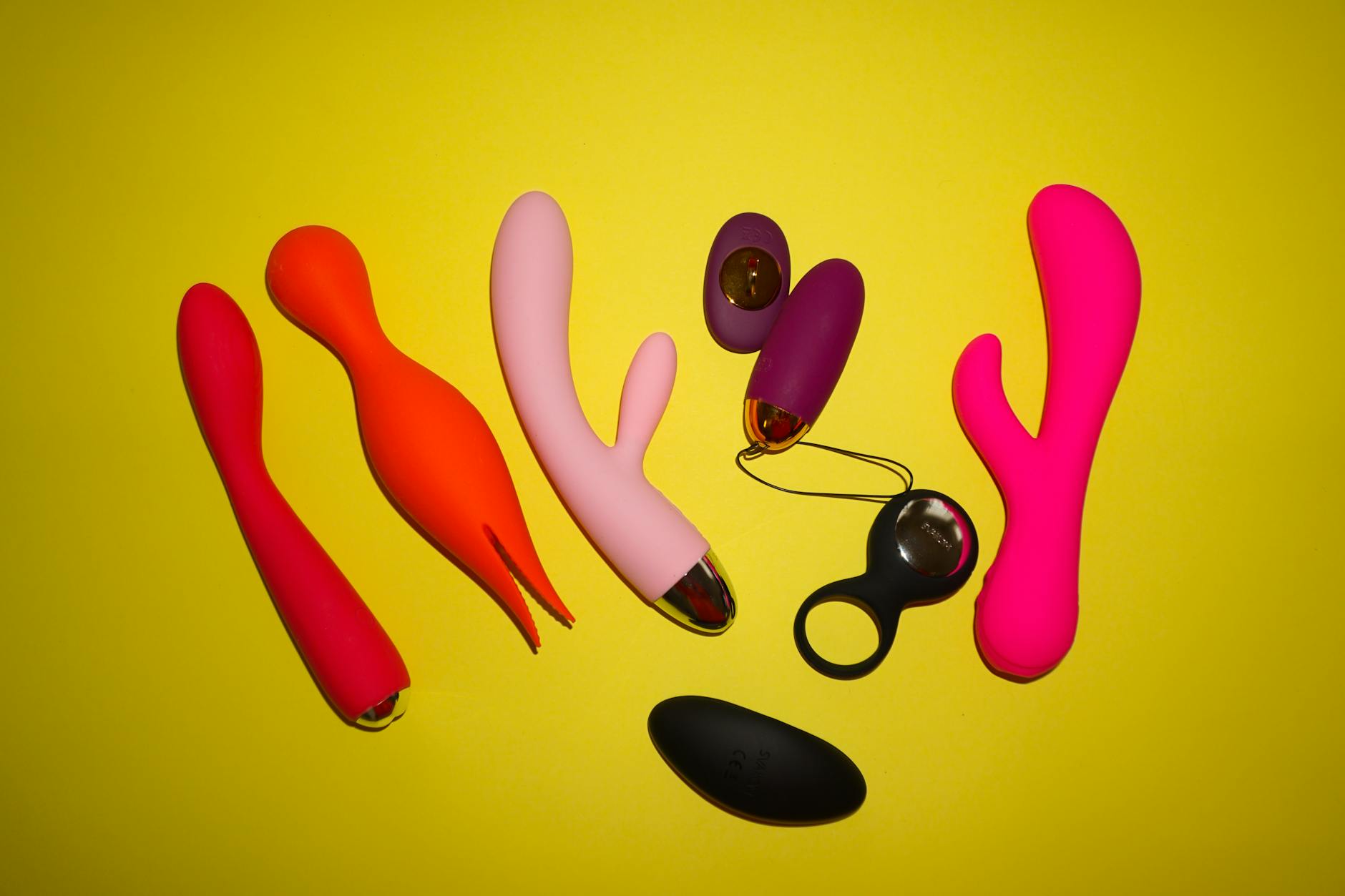
Here's what nobody tells you
Your antidepressant isn't broken. Neither are you. But the way pleasure works in your body right now is genuinely different from before you started medication, and pretending otherwise wastes both your time and your vibrator's potential.
About 40 to 60 percent of people on SSRIs (selective serotonin reuptake inhibitors) or SNRIs (serotonin-norepinephrine reuptake inhibitors) experience some form of sexual side effect. Most of the clinical literature focuses on erectile dysfunction and delayed ejaculation. What it doesn't talk about nearly enough is how orgasm feels different. How arousal builds differently. How a lemon clitoral vibrator that felt perfect six months ago might feel completely off now.
I'm not saying your medication is wrong. Depression kills pleasure too, often faster and more completely than any pharmaceutical side effect. But if you're experiencing a shift in how sensation works, you're not imagining it, and you're not broken.
What SSRIs actually do to arousal
Here's the mechanism. Serotonin is involved in arousal regulation. When you're on an SSRI, your brain is holding on to more serotonin in your synapses. That's good for mood. It's also great for impulse control. Too much impulse control, though, and the spontaneous cascade that triggers arousal gets dampened.
This happens in layers. First, sexual desire often drops. This is the most common complaint. You might look at your partner or see something sexy and feel... nothing. Which is deeply unsettling because you know intellectually that you should want this, but the feeling just isn't there.
Second, arousal takes longer to build. What used to take 10 minutes might take 30 now. Your genitals might not respond as quickly. Blood flow changes. That rush you felt isn't rushing as fast.
Third, and this is the part people struggle with most, orgasm becomes either harder to reach or feels muted when you do. Some people describe it as distant, like watching pleasure happen to someone else instead of feeling it in their own body. Others say it's physically present but emotionally flat. A few report that they can orgasm just fine, but the sensations are duller overall.
None of these are your fault. They're not even really a sign that your medication is wrong. They're a known side effect of how these drugs work.
Why your lemon clitoral vibrator might feel completely different now
Before medication, your nervous system was probably more responsive overall. You felt pleasure, frustration, anxiety, joy. A lemon vibrator worked because it activated your arousal system efficiently. You were primed, even if you didn't realize it.
Now your nervous system is damped down. That's therapeutic for anxiety and rumination. It's less helpful for pleasure, which kind of requires your nervous system to be awake and reactive.
You might notice specific things. The patterns that worked before might feel too subtle now. You might need to spend more time on lower intensity settings before your body is ready to move up. Or you might find that intensity that felt perfect is now either too harsh or too weak to register clearly.
Some people switch tools entirely. Others find that the same tool needs a completely different approach. The lemon sexual toys that work best tend to be the ones that offer flexibility in intensity, which is why understanding your current settings matters now more than ever.
What actually helps (besides just waiting)
First. Talk to your prescriber. Seriously. Not all SSRIs carry the same weight of sexual side effects. Sertraline tends to hit pleasure harder than bupropion does. Some people find that switching medications or adjusting timing helps. Some find that adding a different medication actually counteracts this effect. This is a medical conversation worth having.
Second. Adjust your expectations about speed. You might need 30 to 45 minutes of foreplay or solo play before your body is ready to respond. That's not less pleasure. It's just slower pleasure. Some people actually prefer this. They say that the longer buildup means deeper satisfaction when they get there.
Third. Experiment with sensation. You might need more intensity overall. You might find that mixing sensations works better. Some people add vibration to hand motion. Others use lemon clitoral vibrators alongside other stimulation. The point is that your body's current threshold is different, and that's information, not a failure.
Fourth. Consider timing. Some people find that taking their medication at a different time of day helps. Others notice that pleasure returns temporarily a few hours after taking their dose. You can work with your body's current rhythm without changing your medication.
Fifth. Let go of comparison. The orgasm you're having now is not the same as the one you had before. That doesn't mean it's worse. It means it's different. Some people find that they have to come at it from a completely different angle to find pleasure. That can actually be freeing if you let it.
The emotional part is just as real as the physical part
Beyond the physiology, there's grief. You lost something that was working. Your body feels like it's betraying you at the moment you most need it not to. The medication is helping your mind and hurting your pleasure at the same time, which is an impossible trade-off to think about.
That's real. That matters. And it's worth processing, ideally with someone who gets it. A therapist who specializes in sexual health and medication side effects can help you think through whether this is temporary, whether your medication is right for you, and what sustainable pleasure looks like right now.
Most importantly, know that this phase is not permanent. Some people adjust within a few weeks. Others take months. A few find that their body adapts fully and pleasure returns to baseline. Some stay at a slightly lower intensity permanently, which they then get used to and find satisfying.
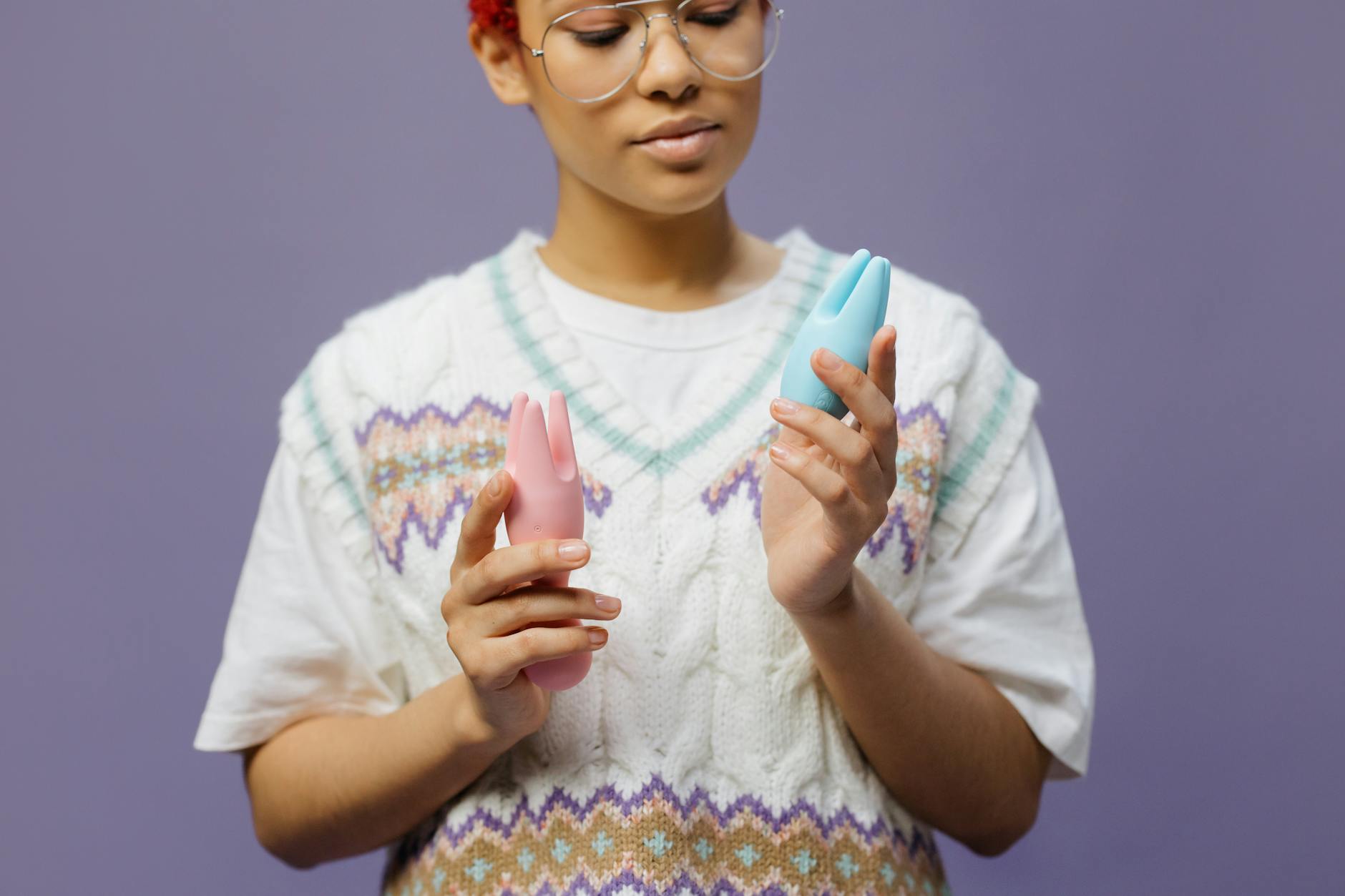
Photo by cottonbro studio on Pexels
Why lemon vibrators are actually practical for this moment
If you're experiencing SSRI-related pleasure dampening, lemon adult toys and other air-suction clitoral vibrators have a specific advantage. They create sensation without requiring the same kind of initial arousal that friction-based vibrators do. They're also often easier to use hands-free, which means you can focus on mental arousal instead of managing a toy.
Many people find that they need these gentler, more targeted tools when pleasure feels distant. A lemon sucker doesn't ask your body to be in a certain state first. It creates that state. That's genuinely useful when your arousal system is on a slower circuit.
When to push back on "just wait"
Your doctor should have told you this might happen. If they didn't, ask about it at your next appointment. If they dismiss it as not important, consider finding a prescriber who takes sexual side effects seriously. Not all doctors do, and you deserve one who does.
If sexual function is significantly worse on your current medication, that's information that matters for your overall wellbeing. Sometimes switching medications helps. Sometimes adding a second medication offsets the side effect. Sometimes you stay on what's working for your mental health and find workarounds for pleasure. All of those are real options.
You don't have to choose between mental health and sexual pleasure indefinitely. But you also shouldn't expect them to work perfectly in parallel right away. They might. But they might need some negotiation.
You've learned how to work with your body before. You can learn again. Your lemon vibrator is still useful. You're just having a conversation with your nervous system in a new language right now.
Frequently Asked Questions
How long does it take for sexual side effects from antidepressants to go away?
It varies wildly. Some people adjust within two to four weeks. Others take two to three months. Some experience improvement over time as their body adapts to the medication, while others find the effect is stable. A few people don't experience improvement and need to switch medications. There's no standard timeline, which is frustrating but real.
Can I use a lemon clitoral vibrator if I'm experiencing sexual side effects from SSRIs?
Absolutely. In fact, many people find that lemon vibrators and other clitoral vibrators work better during SSRI use because they create sensation without requiring your body to be in a certain arousal state first. You might need to adjust intensity or approach, but the toy itself isn't the problem.
Will my pleasure eventually feel like it did before I started my antidepressant?
Maybe. Some people experience full return to baseline. Others find that pleasure settles at a new baseline that's slightly different but still satisfying. A smaller percentage stays affected long-term. What matters is whether the trade-off between mental health and sexual function feels okay to you. If it doesn't, talk to your prescriber about alternatives.
Is it safe to stop taking my antidepressant to get my sex drive back?
No. Stopping SSRIs suddenly can cause withdrawal symptoms and return of depression. If you're considering stopping or changing medication, work with your prescriber. There are real alternatives and modifications that don't require stopping cold. You deserve both mental health support and sexual function.
What if I've been on my SSRI for six months and sexual side effects are just starting?
Some medications take time to build this particular side effect. Others it shows up immediately. If it's new, it might stabilize, or it might progress slightly and then plateau. Mention it to your doctor. Sometimes the timing of your dose or switching to an evening dose helps. Other times a small medication adjustment is worth discussing.
Can switching to a different type of antidepressant help with sexual side effects?
Yes. Different medications have different profiles. Bupropion, for example, is less likely to cause sexual side effects than sertraline. Some SNRIs carry less risk than SSRIs. Your prescriber can talk through options if your current medication's side effects are unmanageable. You're not stuck with your current choice.
The real point
Your antidepressant is working. Your body is different now. Your lemon sexual toy might need a different approach. None of that means you're broken. It means you're navigating a normal, temporary or permanent shift in how your nervous system works. That's frustrating, absolutely. But it's manageable, and it's worth talking about with both your doctor and yourself.
If you want to explore this more deeply with someone who understands both medication and pleasure, consider reaching out. Your sexual wellbeing matters as much as your mental health does. You deserve care that addresses both.