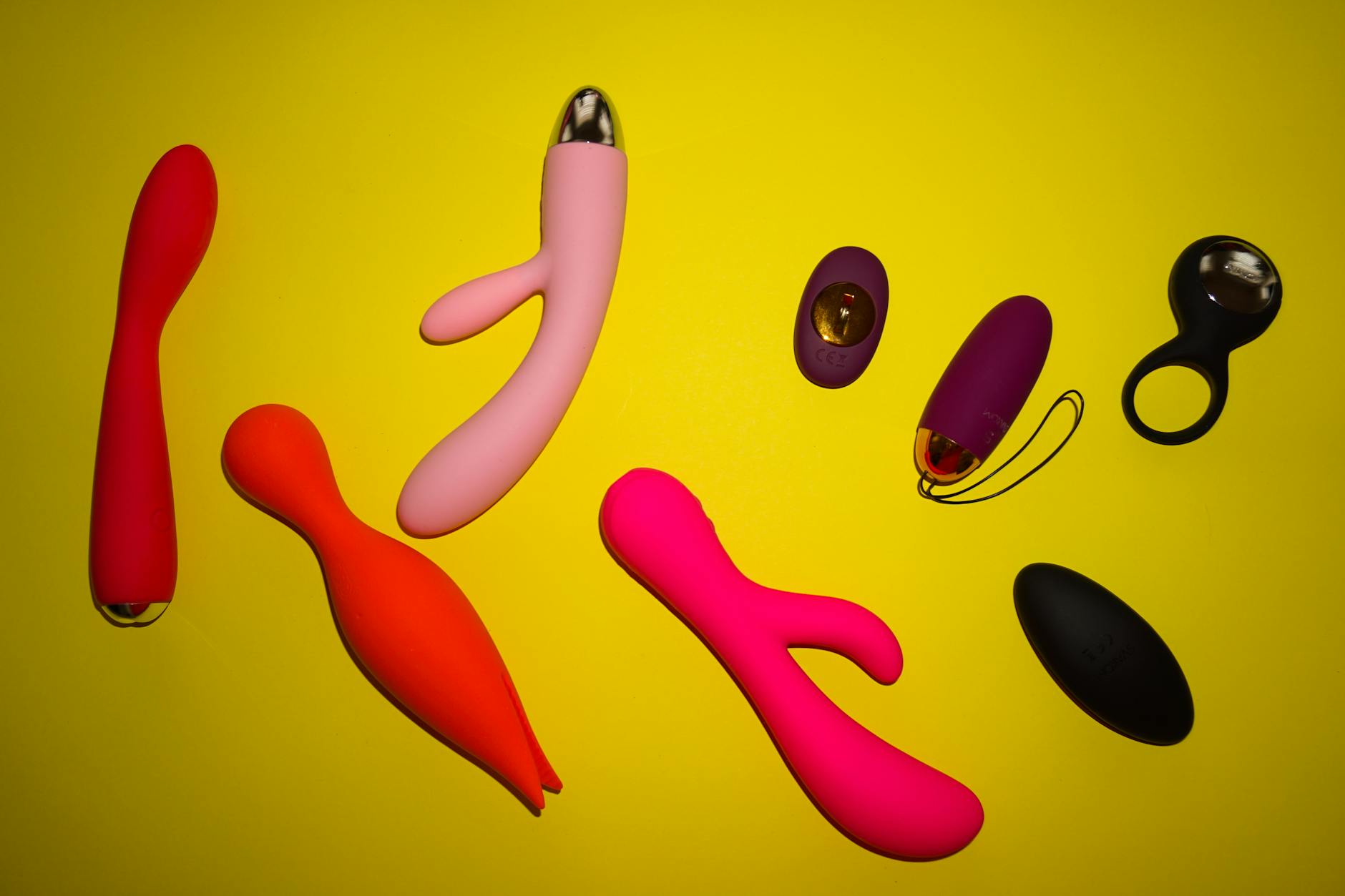
Here's the thing nobody explains about postpartum desire
Your body didn't just recover from birth. It's actively rewiring. Hormones are plummeting, prolactin is rising (especially if you're breastfeeding), and lubrication is often nowhere to be found. This isn't failure. It's biology.
But here's what matters: sparse lubrication during postpartum recovery doesn't mean pleasure is off the table. It means the tools need to shift. A lemon clitoral vibrator, specifically a device like the Lem that uses suction rather than direct friction, is one of the smartest choices for bodies in this phase. Understanding why, and how to use it, changes everything.
Why lubrication changes after birth (the actual physiology)
If you gave birth vaginally or via cesarean, your estrogen dropped. Hard. It plummeted as soon as the placenta detached. Estrogen is what keeps vaginal tissue thick, elastic, and naturally lubricated. When it drops, you're working with thinner, more fragile tissue that produces less natural lubrication.
If you're breastfeeding, prolactin is running the show. Prolactin suppresses estrogen further. This is actually protective (it helps prevent immediate re-pregnancy), but it also means lubrication may not return for months. Some people don't see normal lubrication again until they stop breastfeeding.
The external tissue (your vulva) is also healing from stretching or incisions. Even without visible damage, micro-tears and inflammation can make the area feel tender or raw. Natural lubrication often decreases as the body focuses on healing rather than arousal.
Why friction-based vibrators backfire right now
Traditional vibrators that rely on direct friction against dry or healing tissue can actually harm you. They cause irritation, tiny tears, and burning sensations that have nothing to do with pleasure and everything to do with friction on compromised tissue.
This is where the lemon vibrator design changes the game. Suction-based stimulation (the technology behind devices like the Lem) doesn't require friction. Instead, it creates a seal and applies gentle pressure and release patterns. There's no rubbing motion against tender tissue. The sensation is concentrated rather than abrasive.
Your clitoral nerve endings are still there, still responsive. They just need a gentler, smarter approach right now.
The lubrication strategy that actually works
You're going to use lubricant. Not because you're broken, but because it's a practical tool. Here's what I recommend:
Water-based lubricant, always. Silicone-based lubes feel richer and last longer, but they can damage silicone toys. Water-based is your friend. Apply it generously to the entire external area. Don't be stingy. You're not trying to feel sensation through the absence of lubrication. You're creating a smooth, protected environment.
Some people find that reapplying lubricant midway through helps. That's completely normal. Your body isn't producing what it used to, so you're managing that externally. This is the opposite of failure. It's being strategic.
If water-based lube dries out quickly, add more. Drying out means friction increases. Friction is exactly what you're trying to avoid. Keep that glide consistent.
How to ease back in with a lemon sucker
You don't need to wait for "permission" from a doctor to use a clitoral vibrator. You do need to listen to your body. If you have active bleeding beyond light spotting, wait. If you're experiencing intense pain beyond normal postpartum soreness, that's a conversation for your GP. Otherwise, you can explore.
Start with the lowest setting. If your lemon vibrator has multiple patterns, begin with pattern 1 or 2. The suction intensity is gentler than you'd use pre-pregnancy, and that's intentional. Your tissue is more sensitive right now, not because something is wrong, but because it's healing and because the hormonal landscape is totally different.
Lower intensity doesn't mean less pleasure. It means sensation travels differently. Some people report that the lem vibrator feels more intense at a lower setting during postpartum recovery because nerve sensitivity is heightened. Start slow and let your body tell you what it needs.
Allow 15 to 25 minutes for warm-up. Your body is slower to arousal right now. That's not a glitch. Prolactin and exhaustion and the weight of new parenthood slow your nervous system down. Building arousal takes time. That time is valuable. It's not wasted. It's where reconnection happens.
The emotional layer (which is not separate from the physical)
Your body feels foreign right now. You've been touched constantly by a baby. You might feel touched out, overstimulated, or completely numb to sensation. Your partner might have expectations you can't meet. Pleasure might feel selfish when you're running on four hours of sleep.
None of that is abnormal. All of that is worth naming.
Using a lemon clitoral vibrator solo, without the pressure to perform for anyone else, can be a way to reclaim sensation as something that belongs to you. Not for reproduction. Not for your partner. For you. That psychological shift is profound.
If you're partnered, bringing a lemon vibrator into partnered sex is a separate conversation. It's not "we need this because you're broken." It's "my body is in a different place, and this helps me meet you." That framing matters.
When to check in with your care provider
If lubrication is completely absent three months postpartum and you're not breastfeeding, talk to your doctor. Some people need topical estrogen to kickstart natural lubrication during the postpartum window.
If any pain appears, don't push through. Pain during stimulation is not normal, even postpartum. It means something needs adjustment (more lubrication, lower intensity, or a break). If pain persists, see a pelvic health specialist. They can rule out infection, assess healing, and suggest targeted solutions.
If bleeding increases when you use a vibrator, that's a sign your body isn't ready yet. Wait another week or two and try again.
The timeline nobody talks about
Lubrication often returns gradually, not suddenly. You might notice it's slightly better at six weeks, more noticeably better at three months, and mostly normalized by six to nine months postpartum (or when you stop breastfeeding, whichever comes later).
Some people notice that lubrication returns during certain parts of their cycle faster than others. Your cycle might not be regular yet, but the hormonal ebb and flow will eventually resume, and with it, some variation in natural lubrication.
This is a phase, not a permanent state. Understanding that makes the sparse lubrication feel less like a personal failing and more like a predictable part of the postpartum journey.
How the lem vibrator specifically helps
The lemon clitoral vibrator's suction design is built for bodies in transition. Whether that's postpartum, post-hormonal birth control changes, or post-menopause, the mechanics work because they don't rely on friction or deep moisture.
The suction creates sensation through pressure rather than rubbing. You apply lubricant to protect tissue, but you're not depending on natural lubrication to feel anything. The lem vibrator does the work. Your body just has to show up.
That's powerful when everything feels off.
The bigger picture
Postpartum sexuality is one of the most under-talked-about parts of early parenthood. We talk about sleep deprivation and feeding and recovery, but pleasure gets boxed into "when you're ready." As if there's some magic moment when your body will suddenly feel like yours again.
Pleasure doesn't return passively. You often have to go looking for it. A lemon vibrator, used with patience and lubricant and realistic expectations, can be part of that search.
Your body did something extraordinary. Now you get to remember what it feels like to do something just for sensation. That's not selfish. It's necessary.
People also ask
How soon after birth can I use a lemon vibrator?
If you had a vaginal birth without tearing and your bleeding has reduced to light spotting, you can experiment with a lemon clitoral vibrator around two to three weeks postpartum. If you had tearing, a cesarean, or significant bleeding, wait until your six-week checkup and ask your provider specifically about clitoral stimulation. They'll give you the clearest answer for your situation. Start gently, use plenty of lubricant, and stop immediately if anything feels wrong.
Will using a lemon vibrator delay postpartum healing?
No. Clitoral stimulation doesn't impact internal healing or bleeding. The tissue you're stimulating is external. That said, if you notice increased bleeding after using a vibrator, rest for a few days and try again later. Some bodies just need more time. Healing is individual. The lemon sucker technology is gentle enough for most people, but your body's signals matter more than any guideline.
Should I use lubricant every time I use a lemon vibrator postpartum?
Yes. Your body isn't producing sufficient natural lubrication right now, so external lubricant isn't optional. It's a protective tool. Apply it before you start, reapply if it dries out, and always keep it on hand. Water-based is your best choice because it won't damage silicone toys. Think of it as part of the setup, like charging your device.
Can my partner use a lemon vibrator on me if I'm postpartum and dealing with reduced lubrication?
Absolutely, but with the same rules: plenty of lubricant, lower intensity, patience, and clear communication about what feels good versus what causes discomfort. Some people find that partnered use feels reconnecting after weeks of being touched only by a baby. Others feel too touched out. There's no right answer. Check in with yourself and your partner honestly before and after.
Why does my lemon clitoral vibrator feel less effective if I'm stressed or sleep-deprived?
Because your nervous system is already flooded. Cortisol and adrenaline (stress hormones) suppress arousal signals. When you're running on broken sleep and managing a newborn, your body is in fight-or-flight mode, not pleasure mode. A lemon vibrator can't override that. What helps is giving yourself permission to rest first. Pleasure comes easier when your system isn't in crisis mode. Some days that won't be possible. That's postpartum. It doesn't mean the vibrator is broken or you've lost capacity.
When should postpartum lubrication concerns resolve on their own?
For people not breastfeeding, natural lubrication usually improves significantly by three months postpartum as estrogen rises. For breastfeeding parents, it might take six to nine months or longer. Some people don't see major improvement until they stop breastfeeding entirely. If you're not breastfeeding and lubrication is still sparse at six months, talk to your doctor. It's fixable, but it's worth investigating whether something else (like postpartum depression, thyroid changes, or lingering hormonal shifts) is at play.
Keep going
Postpartum sexuality isn't linear. Some weeks you'll feel connected to pleasure. Other weeks your body will feel like it belongs to the baby, the pump, the sleeplessness. Both are real. A lemon vibrator doesn't solve the emotional exhaustion, but it can be a tool for reclaiming sensation when you're ready to reach for it.
Your pleasure matters. Not someday. Now. Even (especially) in the messy middle of early parenthood.
If you're navigating this phase and want to talk through what's happening in your relationship or your body, reach out. That's what I'm here for.