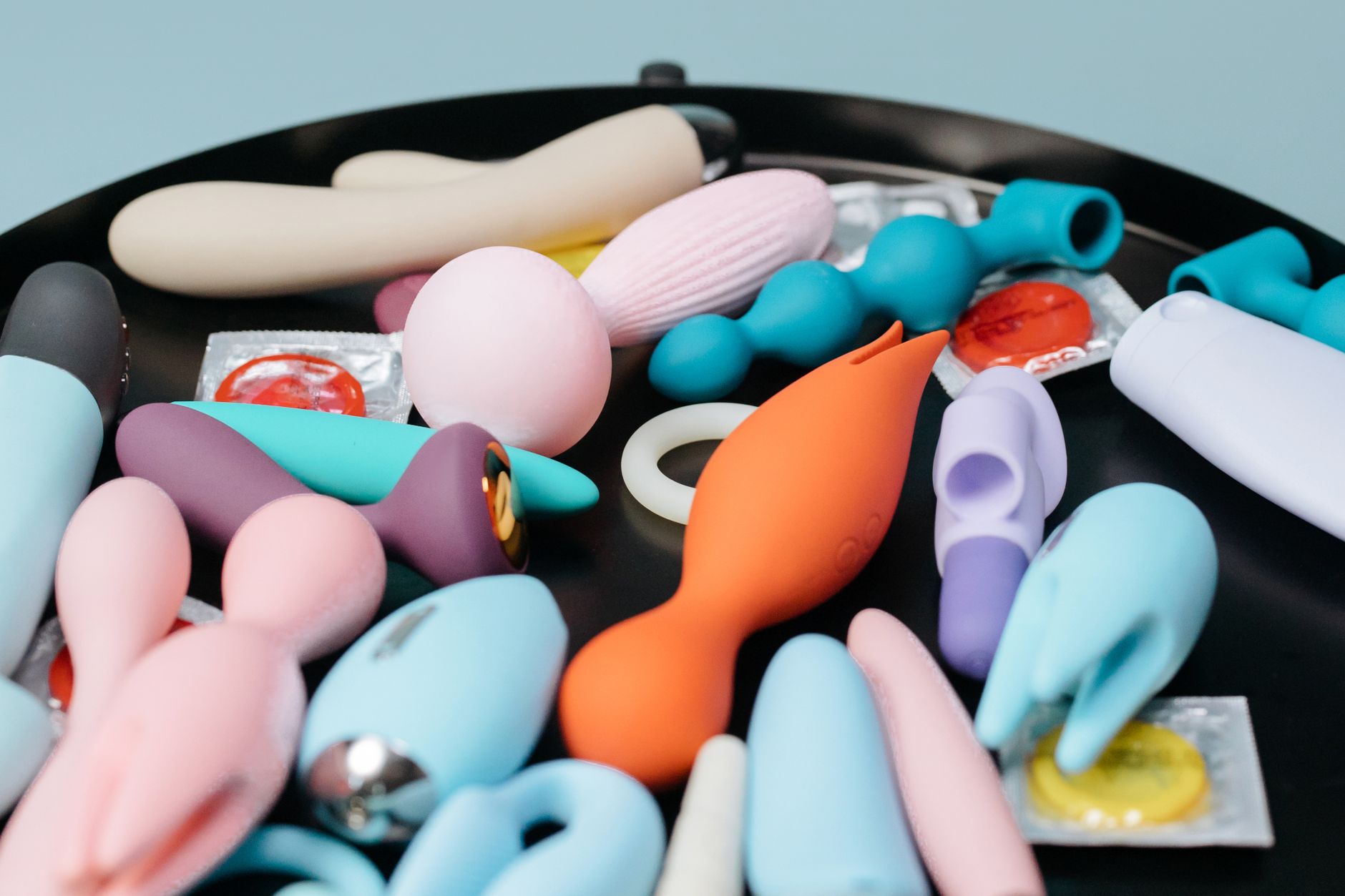
How to Safely Return to Lemon Vibrators After Pelvic Surgery
Pelvic surgery disrupts more than just tissue. It disrupts your relationship with your own body, your timeline for pleasure, and often the conversation you need to have with yourself about what recovery actually looks like.
The medical team gives you clearance. Your incisions close. You're told "no penetration for six weeks" or eight weeks or however long. But nobody clearly explains what comes after that, or how to think about touch when your body still feels like borrowed territory.
Let's talk about bringing lemon vibrators and clitoral toys back into your life after surgery, step by step, with the honesty your surgeon's pamphlet skipped.
Understanding your timeline and what "cleared" actually means
Here's the frustrating truth: your surgeon clears you for penetrative sex around week six to eight. But that clearance is baseline. It means your wound has sealed enough not to bleed. It does not mean sensation is back to normal, scar tissue has softened, nerve pathways have fully recalibrated, or you're emotionally ready.
Different procedures have different recovery curves. A D and C heals faster than a fibroid removal. Hysterectomy takes longer than an ablation. Talk to your surgeon about the specific timeline for your procedure. Ask not just "when can I have sex" but "when does sensation typically normalize" and "when does scar tissue usually stop causing discomfort."
For most gynecological procedures, external clitoral stimulation without penetration can often resume earlier than you might think. A lemon vibrator, which works via suction and external pressure rather than internal friction, is often less irritating to healing tissue than other toys.
But earlier does not mean immediately. Think of it this way: you wouldn't run a 5K two weeks after knee surgery just because the cast came off. Pleasure has a rehab protocol too.
Weeks 1-4: Observation only
During active healing, your pelvic floor is swollen, tissues are inflamed, and your nervous system is working overtime managing pain signals. This is not the time to introduce vibration of any kind, even external.
What you can do: gentle exploration with your hand, no tools. Notice where sensation is present and where it's dulled. Pay attention to what feels good versus what sends a sharp or burning signal. This information matters for later.
Your only job right now is to start reacquainting yourself with your body as it is now, not as it was. That mental shift reduces shame later when things feel different.
Weeks 5-8: The micro-introduction phase
Once you've hit the five-week mark, and especially after your clearance appointment, you can begin slow reintroduction. This does not mean jumping straight to your lemon vibrator at full intensity.
Start with these steps:
Temperature check first. Warm water over the vulva in the shower, just to wake up sensation and blood flow. Notice what temperature feels soothing versus irritating. Some people find slightly cooler water less triggering.
Manual touch only. Use your own hand, lubricated generously with water-based lube, in the same way you explored during weeks 1-4. Spend five to ten minutes here. If anything stings or triggers cramping, you're not ready for vibration yet.
One finger on the clitoris. Not inside. Just external pressure and gentle movement. This is a touch-tone calibration. You're asking your body: is the clitoris starting to wake up? Some people feel full sensation return quickly. Others don't for weeks.
If this feels tolerable and mildly pleasurable, you can move to the next phase in a few days. If it triggers pain or discomfort that lingers, wait another week and try again.
Weeks 8-12: Introduction to your lemon vibrator
When you feel ready (and your surgeon has given clearance), here's how to reintroduce a lemon clitoral vibrator or lemon sucker.
Start with zero intensity. Most clitoral vibrators have a low setting. A lemon vibrator's suction function can be applied at nearly no pressure. You're not looking for pleasure yet. You're looking for tolerance.
Lie down somewhere comfortable, fully clothed except for the area you're about to touch. Apply generous water-based lubricant. Use the lowest possible setting of your lemon vibrator and barely touch it to the vulva. Hold it there for ten seconds. Remove it. Notice how you feel. Any sharp pain? Cramping? Numbness? Burning? Discomfort that lingers for more than a few minutes?
If yes to any of those, wait another week and try again.
If no, repeat this once a week until it feels unremarkable. You're not trying to orgasm. You're rebuilding the association between your toy and pleasure, carefully, with no pressure.
Gradually increase duration. Week two of this phase, hold the vibrator for thirty seconds. Week three, one minute. Week four, three to five minutes if it feels good. There's no rush. You're not training for a marathon.
Weeks 12+: Ramping up thoughtfully
Once you can comfortably use your lemon vibrator at low intensity for five minutes without pain or lingering discomfort, you can begin increasing intensity.
Move up one setting at a time. Spend at least a week at each level. Yes, this is slow. That slowness is the point. Post-surgical tissues are more sensitive to overstimulation. Ramping gradually prevents the micro-tears and inflammation that happen when you go from zero to ten too fast.
As you increase intensity, keep these details locked in:
Lubrication is non-negotiable. Even if you don't need it for comfort, use it anyway. It reduces friction and protects healing tissue. Water-based lube works best with the Lem and other silicone clitoral vibrators.
Positioning matters. Find a position that feels supported and puts zero pressure on your surgical site. For most pelvic surgeries, lying on your back with a pillow under your hips, or semi-reclined, works well. Avoid any position that pulls or stretches scar tissue.
If it hurts, stop. Not mild discomfort. Pain. Your nervous system has just been through something. It will sometimes send false alarm signals. But if something genuinely hurts, you're not ready for that intensity yet.
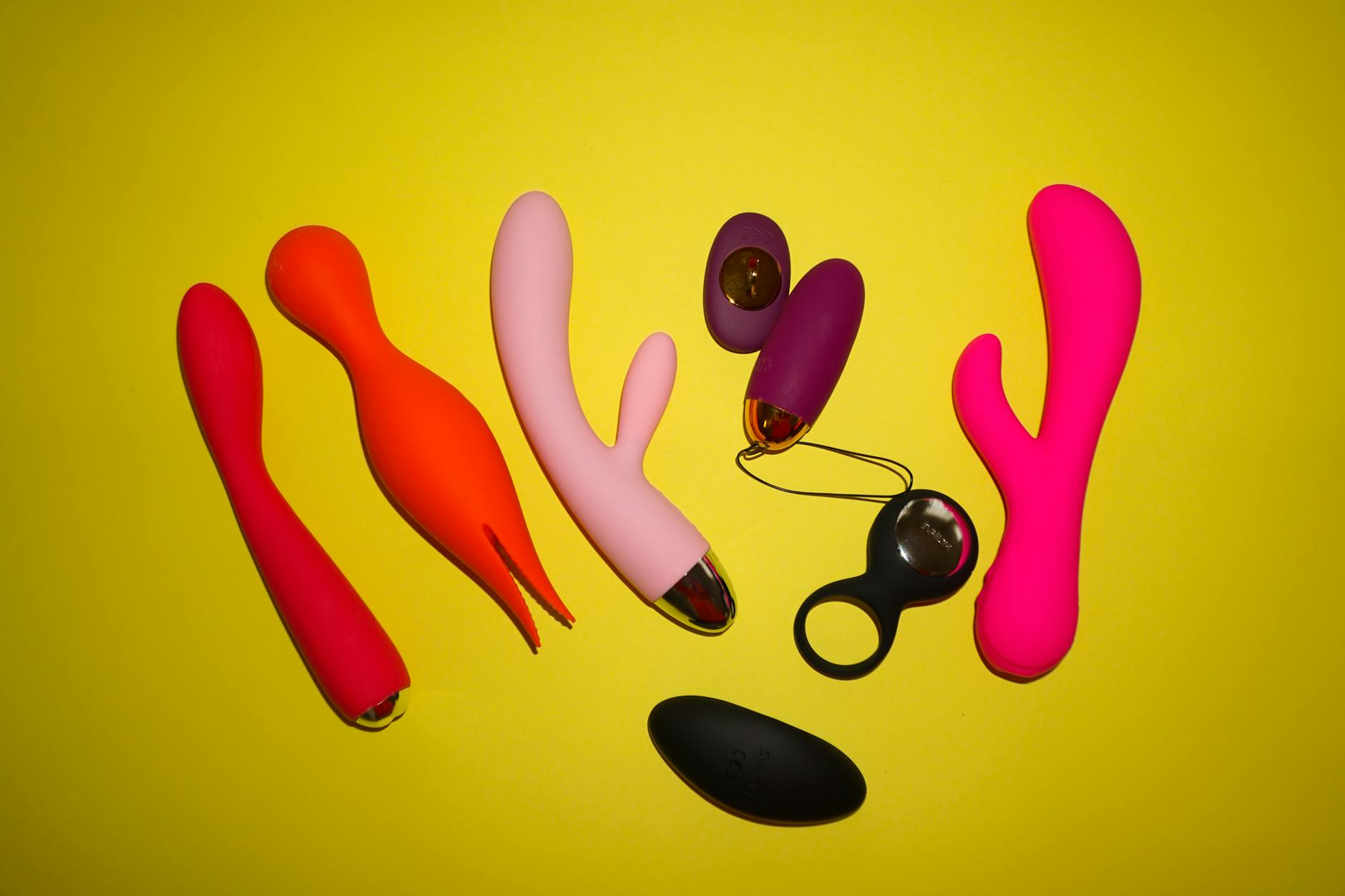
Photo by FounderTips on Pexels
When to bring a partner into the conversation
If you're partnered, the timeline for resuming partnered sex and solo pleasure don't have to match. You might feel ready to use your lemon vibrator alone well before you feel ready for penetration with a partner, or vice versa.
Here's what helps: separate the conversations. Don't make your toy reintroduction about "getting your sex life back." Frame it as "my body is healing and I'm checking in with what feels good right now." That distinction matters because one is pressure and the other is curiosity.
If your partner wants to be involved in your recovery, that's wonderful. But the first solo experiences with your clitoral vibrator should be yours alone. You need to know what your body needs without filtering through anyone else's expectations or anxiety.
Signs you're not ready yet
These warrant a call to your surgeon or pelvic floor physical therapist:
Persistent burning or stinging even at the lowest intensity and longest lubrication interval. Cramping that doesn't resolve within minutes of stopping. Unexpected bleeding or spotting. Sharp pain that feels different from healing soreness. Numbness that's not improving week to week. Feeling like you're re-opening incisions or tearing stitches.
None of these mean you'll never use a vibrator again. They mean your tissues need more time, or sometimes they mean you'd benefit from pelvic floor physical therapy to address tension or scar adhesions. Both are fixable.
The emotional part nobody mentions
Physical clearance and emotional readiness are completely different timelines. You might be physically ready to use your lemon vibrator at week ten and emotionally need to wait until week twenty. Or you might feel emotionally ready in week six and your body isn't there yet.
Both are normal. Both are valid. The pressure to jump back into sex, or solo pleasure, on your surgeon's timeline instead of your own timeline is real, and it's worth resisting.
Some people find that returning to vibrators helps them reclaim ownership of a body that felt invaded by surgery. Others find it triggering for a while. Neither makes you broken or unusual.
If you're feeling anxiety, grief, or rage about your body post-surgery, therapy helps. Not because you're weak, but because you've been through something. Your mind and body both deserve support as they adjust.
FAQ: Recovery and returning to pleasure
How long after pelvic surgery can I use a lemon vibrator?
Every surgery is different, but most gynecological procedures allow gentle external stimulation around week six to eight, once you have surgeon clearance. Full return to comfortable use with intensity usually takes three to four months. Start at the lowest setting and increase gradually over weeks.
Will using a clitoral vibrator after surgery damage my healing?
Not if you're thoughtful about timing and intensity. External clitoral vibrators like the Lem work via suction and external pressure rather than internal friction, which makes them lower-risk post-surgery than other toys. The key is patience. Slow introduction over weeks prevents the micro-trauma that comes from jumping back to pre-surgery intensity too fast.
Can I use lubricant right after pelvic surgery?
Ask your surgeon, but most gynecologists clear water-based lubrication once basic bleeding stops and incisions seal. Water-based lube is gentler on healing tissue than silicone-based alternatives. Use generously even if you don't think you need it. It protects tissue and reduces sensation-dampening friction.
What if orgasms feel different or weaker after surgery?
Tissue changes, nerve pathways sometimes shift, and scar tissue can alter sensation. This usually improves over months as swelling decreases and nerves recalibrate. If weakness persists beyond four to six months, pelvic floor physical therapy often helps. Strengthening and releasing pelvic floor muscles can restore intensity.
Should I tell my partner I'm using a vibrator during recovery?
That depends on your relationship. What helps most couples: being honest about the timeline difference between solo pleasure and partnered sex, so nobody feels blindsided or rejected. You might say, "I'm starting to explore what feels good again, solo first." That frames it as recovery, not as excluding them.
Can I use a lemon vibrator if I had a hysterectomy or major pelvic surgery?
Yes, external clitoral vibrators are often safer post-major-surgery than other options because they don't require internal engagement. The clitoris and its neural pathways usually remain intact regardless of internal surgery. Recovery timeline is the same: slow, steady introduction starting around week six to eight, with gradual intensity increase over months.
The bottom line
Your lemon vibrator isn't going anywhere. Neither is your capacity for pleasure. What surgery does is introduce a reset, a recalibration, a chance to reacquaint yourself with your body on your terms.
Take the time. Use lubrication generously. Start low and go slow. Listen to your surgeon and your body equally. And know that the timeline for your recovery is yours alone. There's no "normal" speed for this.
If you have questions about your specific situation, reach out. We're here to help.