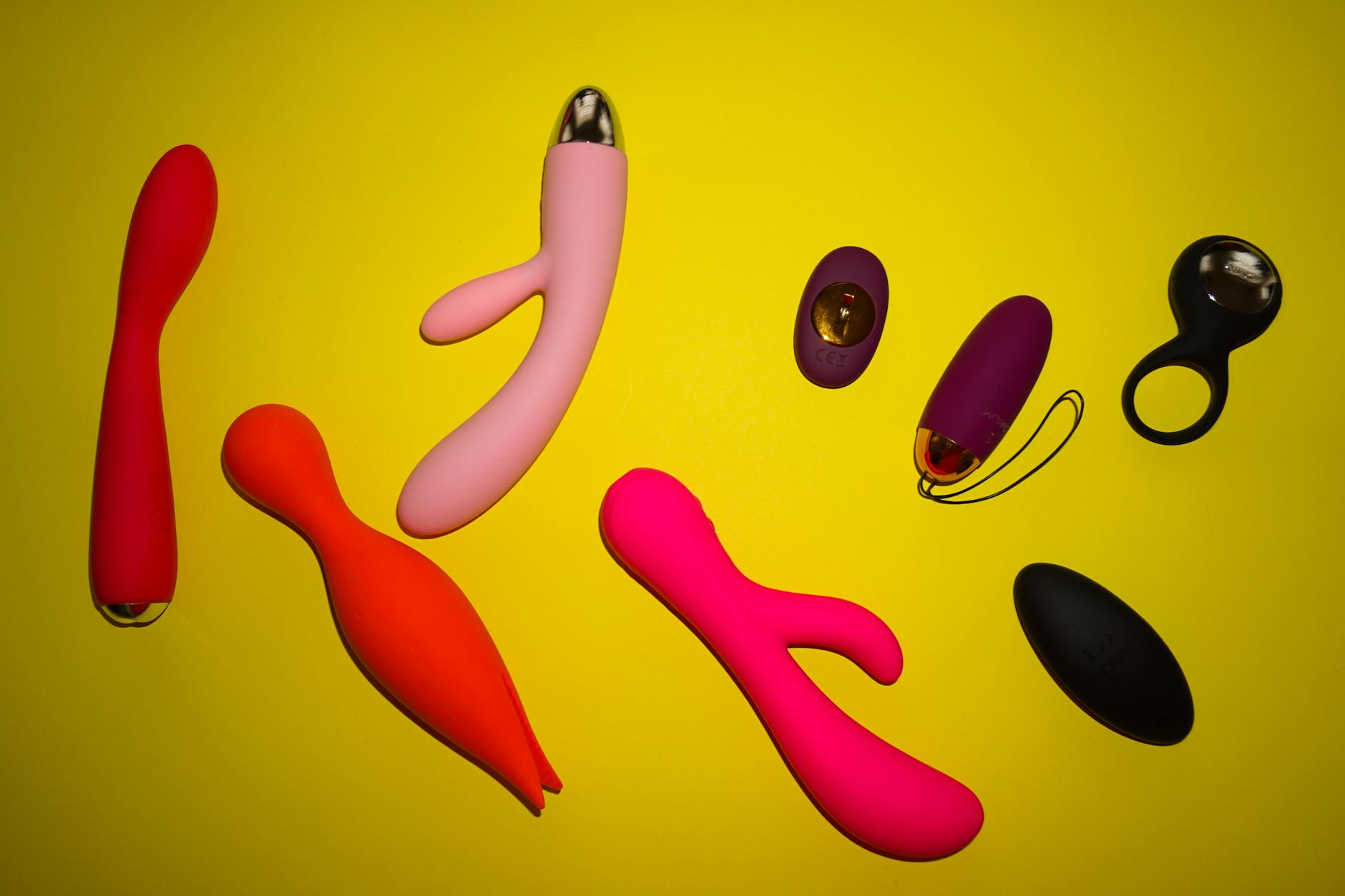
Why lemon vibrators feel different on sensitive tissue
Let's be real. Tissue changes. Whether that's from hormonal shifts, aging, medication, or just your baseline biology, the sensation you feel when using a lemon vibrator depends partly on what's happening underneath the surface. Air-suction toys like the lem vibrator work by creating gentle pressure and release cycles rather than pure vibration, which means they interact with delicate tissue in ways that traditional vibrators don't.
If your tissue is thinner, more reactive, or easily irritated, that changes what settings feel good and what support your body needs.
How tissue thickness affects sensation
The clitoris is mostly nerve endings wrapped in protective layers of tissue. When those layers are thicker and more cushioned (which they often are when estrogen levels are stable), the same amount of suction pressure feels moderate and pleasurable. When tissue thins out, the same pressure can feel intense, sharp, or uncomfortable.
This isn't about being "broken." It's physics. A lemon clitoral vibrator pulling on thinner tissue creates more direct stimulation of the nerve endings because there's less tissue between the suction and the nerves themselves.
The good news? This doesn't mean you can't use a lemon sucker or clitoral suction toy. It just means you need to be intentional about how you approach it.
Why lubrication matters more than you think
Water-based lubricant isn't just about comfort during partnered sex. When you're using a lemon vibrator on sensitive tissue, lubrication serves three purposes.
First, it creates a seal. The lem vibrator and other air-suction lemon sexual toys work because they form a seal around the clitoris. If your tissue is dry, that seal can feel grabby or painful. A small amount of lubricant smooths the interface so the seal feels gentle rather than sticky.
Second, it reduces friction. Even though suction toys don't vibrate like traditional vibrators, there's still micro-movement as the toy adjusts position. Lubricant lets that movement happen smoothly.
Third, it signals to your body that this is safe touch. Lubrication increases blood flow to the area, which plumps tissue slightly and makes sensation feel less raw. You're essentially priming your tissues to respond.
Which lube to use with lemon vibrators
Stick with water-based lubricant. Always. Silicone-based lubes feel richer and longer-lasting, but they degrade silicone toys over time. If you're using a silicone lemon vibrator, water-based is non-negotiable.
For sensitive tissue specifically, pick a lubricant with minimal additives. Brands marketed as "hypoallergenic" or "for sensitive skin" typically have fewer preservatives and fragrance compounds that might trigger irritation. Avoid anything with glycerin if you're prone to yeast infections, since glycerin can feed yeast growth.
Use less than you think. A quarter-sized amount at the opening of the lemon sucker is usually enough. If you add too much, the seal becomes unreliable and the whole experience falls apart.
Starting with lower intensity on sensitive tissue
The lem vibrator has multiple intensity settings for a reason. If you have sensitive or thin tissue, start at pattern 1 or 2 and stay there for several sessions before moving up. This isn't about being timid. It's about letting your tissue adapt and telling your nervous system that this sensation is safe.
Many people skip the low settings because they seem underwhelming when they first hold the lemon clitoral vibrator in their hand. But sensation changes when the toy is actually on your body. What feels like nothing in the air often feels just right when there's contact.
Give each setting at least five minutes of focus. Your arousal builds gradually, and so does your capacity to enjoy intensity. Jumping to pattern 5 because pattern 2 feels "boring" at minute two is like turning up the volume on a song before the beat drops. You're not giving it a real chance.
Positioning and technique for delicate tissue
With lemon vibrators, where you place the toy matters. Direct contact over the clitoral glans (the tip) can feel overwhelming on sensitive tissue. Instead, position the toy slightly to the side or over the clitoral hood, which is the skin that covers the clitoris.
This is true for hello nancy's lemon adult toys and clitoral vibrators from any brand. The indirect stimulation is often more pleasurable anyway because it spreads the sensation across a wider area. You get depth and intensity without the sharp focus that sensitive tissue finds jarring.
Angle also matters. Experiment with the angle of the toy against your body. A slight tilt can make the difference between "this feels sharp" and "this feels amazing."
Warm-up time and arousal
If you're managing sensitive tissue, extend your warm-up. Don't go straight to the lemon vibrator. Spend 10-15 minutes with your hands, a partner's touch, or just your thoughts before introducing the toy. This gives your tissue time to become engorged, which naturally plumps the area and makes sensation feel less raw.
Arousal is a prerequisite for comfortable suction toy use on sensitive tissue. Without it, you're asking delicate tissue to respond to intensity before it's ready. With it, the same intensity feels like pleasure.
When to use lubricant during a session
Apply lube before you start, when your tissue is still relatively calm. If you get dry during the session, pause and reapply rather than pushing through. Friction from suction without enough lubrication can cause micro-tears in delicate tissue, which then leads to irritation.
Some people need to reapply every 5-10 minutes. Others are fine for 20+ minutes. Pay attention to how your tissue feels. If sensation shifts from pleasant to raw or sharp, that's your signal to pause and add more lubricant.
After-care for sensitive tissue
Once you're done, rinse the toy gently with warm water. Skip anything abrasive. Dry it with a soft cloth. Your tissue doesn't need special after-care unless you're experiencing irritation.
If you notice redness, soreness, or tenderness after using a lemon clitoral vibrator, that's information. It might mean the intensity was too high, the duration too long, or the lubrication insufficient. Adjust one variable at a time in your next session. If irritation persists after you've scaled back, check with a gynecologist.
The sensitivity shift question
Many people worry that using a lemon sucker on sensitive tissue will make it more sensitive (and therefore more painful) or less sensitive (and therefore less pleasurable). Here's what actually happens: your nervous system adapts to the stimulation you're teaching it. But adaptation to a lemon vibrator isn't like adaptation to a traditional vibrator. The suction mechanism is gentler and more variable, which means your tissue is less likely to build tolerance or desensitization.
If anything, consistent use of a lemon sexual toy on sensitive tissue often leads to better sensation over time because you're learning what intensity and angle work for you. You're getting more pleasure with less effort.
When to see a specialist
If you have pain during or after toy use that doesn't resolve with lubrication adjustments and intensity changes, see a gynecologist. Persistent pain can indicate vulvovaginal atrophy, a skin condition, or pelvic floor tension that needs professional support. None of these are reasons to avoid pleasure. They're just reasons to get the right support first.
A menopause specialist or pelvic health physical therapist can also offer guidance specific to your tissue and your body. What works for one person's sensitive tissue might not be the answer for someone else.
FAQ
What if I'm new to toys and my tissue is already sensitive?
Start with air-suction lemon vibrators rather than traditional vibrating toys. The gentler mechanism is less likely to overwhelm sensitive tissue. Use lots of lubrication, start at the lowest intensity, and take your time building up. If you're nervous, that's normal and valid. Pleasure isn't a race.
Can I use silicone-based lube with lemon vibrators?
No. Silicone lube degrades silicone toys over time. Stick with water-based only. If you want something that lasts longer on your skin, apply water-based lube more frequently rather than switching to silicone.
How often can I safely use a lemon clitoral vibrator on sensitive tissue?
Daily use is fine if your tissue feels good. Some people use lemon sexual toys every day without issue. Others need rest days. There's no magic number. Listen to your body. If tissue feels sore or irritated, take a break for a day or two and reassess.
Does sensitive tissue mean I'll never enjoy intense stimulation?
Not necessarily. Sensitivity and capacity for intensity are different things. You might find that with the right approach (proper lubrication, warm-up, positioning), you can actually handle intensity better on a lemon sucker than you expected. The lem vibrator's suction-based design often feels less harsh than traditional vibration, even at higher intensities.
Should I use a special lube for sensitive tissue?
Not a "special" lube, but a thoughtful choice. Pick water-based lubrication with minimal additives. Brands that market specifically to sensitive skin are usually a safe bet. Avoid anything with glycerin if you're prone to yeast infections. Beyond that, the expensive "sensitive skin" lubes don't outperform basic water-based options.
What if lubrication feels uncomfortable or causes irritation?
Try a different water-based brand. Some people react to specific preservatives or ingredients. Or experiment with using very little lube. Some sensitive tissue actually prefers minimal lubrication. The goal is finding what lets your body feel good, not following a rule about how much you "should" use.
The bottom line
Lemon vibrators, especially hello nancy's lemon clitoral vibrator and lem vibrator options, work beautifully on sensitive tissue when you approach them thoughtfully. Lubrication, lower intensity settings, extended warm-up, and attentive positioning make all the difference. Your sensitivity isn't a limitation. It's information about what your body needs. Once you decode that information, pleasure gets easier, not harder.