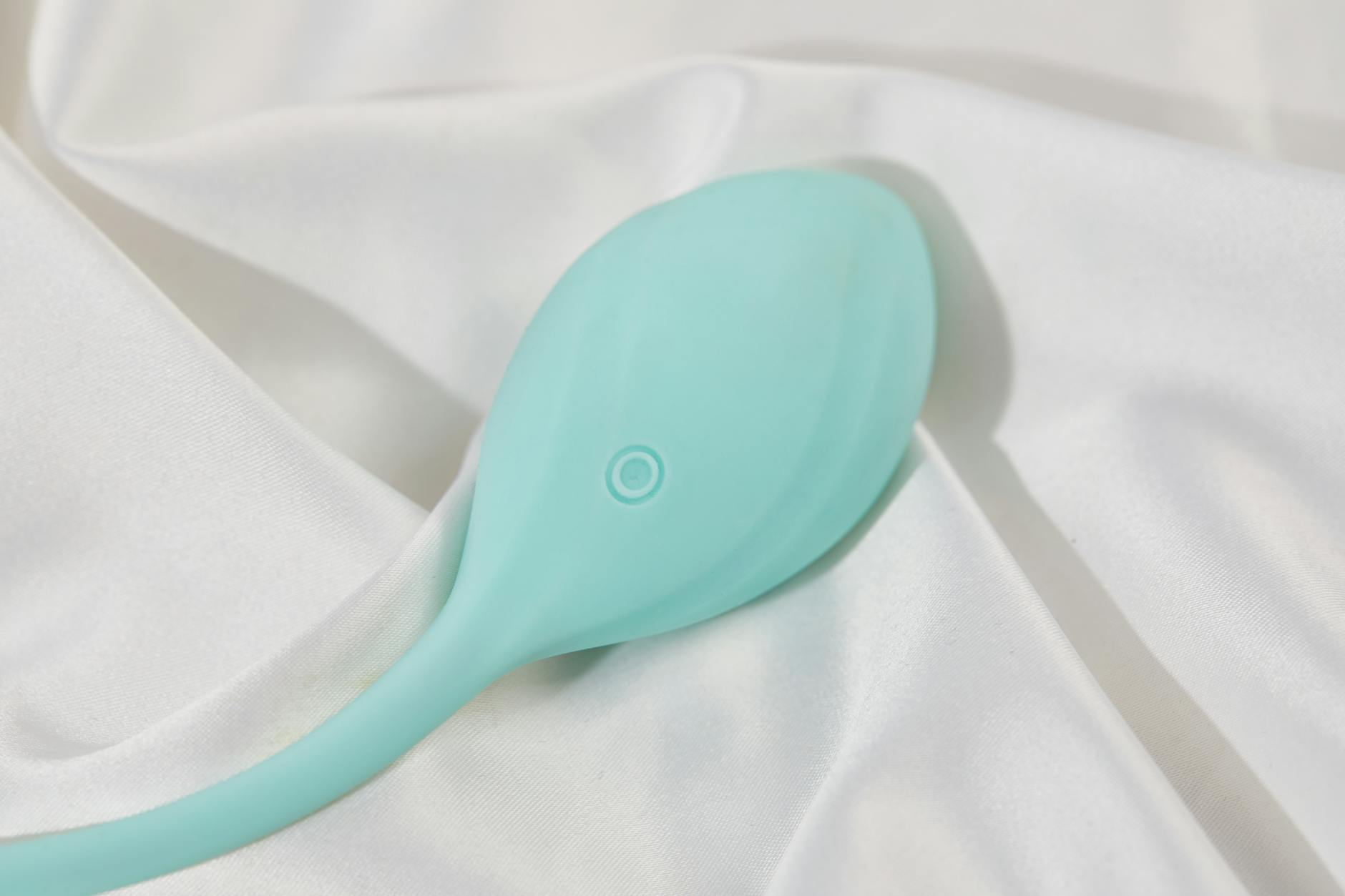
How to Use a Lemon Vibrator With Lubricant for Maximum Comfort
The right lube isn't optional. It's the difference between a good experience and one that actually feels incredible. Here's exactly what you need to know.
If you've used a lemon vibrator without lubricant, you've been missing out. I know that sounds dramatic, but here's the thing: the lemon clitoral vibrator is engineered for suction and gentle pulsing, which works beautifully on its own. But add the right lubricant, and suddenly you're not just feeling pleasure. You're feeling comfort, glide, reduced friction, and a sensation that transforms the whole experience.
Lubricant isn't a sign you're doing something wrong. It's not a compromise or a workaround. It's the tool that lets your body respond the way it's actually designed to.
Your lemon sexual toy works by creating a gentle suction seal against sensitive tissue. That seal is what makes the sensation so unique compared to traditional vibrators. But here's what most people don't realize: even when you're naturally lubricated, adding external lubricant changes the physics.
First, it reduces any drag or friction that can build up during longer sessions. If you're using your lem vibrator for 10, 15, or 20 minutes, your natural lubrication can become inconsistent. External lube keeps the glide smooth the entire time.
Second, it creates a buffer layer that lets the suction sensation feel more concentrated and less raw. You're essentially letting the toy do its job without your tissue having to compensate.
Third, and this matters: some people produce less natural lubrication due to hormonal changes, medications, stress, or just how their body works on any given day. Lubricant removes the friction of "am I wet enough?" and replaces it with actual comfort.
Not all lubes are created equal, especially when you're using lemon adult toys made from silicone.
Water-based lubricant is your best friend. It's compatible with silicone toys, washes off easily with water, won't stain your sheets, and feels natural against skin. Brands like Sliquid, Uberlube Water, and Hyalo are thoughtfully formulated. Water-based lube does dry out faster than silicone alternatives, which means you might need to reapply during longer sessions. That's not a bug. That's actually useful feedback that your body is getting active and engaged.
Silicone-based lubricant feels richer and longer-lasting. The downside: it will damage silicone toys over time. If your lemon vibrator is made of silicone (and Hello Nancy's are), silicone lube is off the table. Full stop.
Oil-based lubricant (coconut oil, almond oil, etc.) feels wonderful, lasts a long time, but can be messy and is harder to clean up. If you go this route, make sure your toy material is compatible. Some oils can degrade silicone, so test on a small hidden area first.
Stick with water-based. It's the safest, most versatile option for your lemon clitoral vibrator.
This is where people get confused. The answer isn't "a tiny dab" or "enough to coat your entire vulva." It's something in between, and it depends on what feels right to you.
Start with about a quarter-teaspoon on your fingertip. Spread it around the external area and the opening of the toy that will make contact with your body. You want enough that there's visible glide, but not so much that the toy loses suction grip or that lube is running down your legs.
If you're doing a longer session (20+ minutes), keep the lubricant nearby. You can reapply every 5 to 10 minutes without breaking your rhythm. Many people find that having control over when they add more lube actually makes the experience feel more intentional and pleasurable, not less.
The beauty of water-based lube is that a little goes a long way. You're not trying to coat the Sahara. You're creating a comfortable interface between your body and the toy.
Warm your lubricant first if it's been sitting in a cool room. Cold lube is technically fine, but room-temperature or slightly warm lube feels more like your body's natural state. Hold the bottle in your hands for 30 seconds, or run it under warm water briefly.
Apply to yourself first, not the toy. Use your finger to distribute it around the area where the lemon vibrator will make contact. This gives you control and prevents over-application.
Then, if you want, add a tiny amount directly to the rim of the toy. This helps create that initial seal and makes the first contact feel seamless.
Turn the toy on at a lower setting (like pattern 1 or 2) before full contact. This lets you ease into the sensation rather than going from zero to full suction immediately. Many people find that building intensity gradually with a lubricated toy feels more sustainable than jumping straight to high settings.
Too much product. If you're using more than a half-teaspoon per session, you're using too much. The suction seal requires contact, and excess lube works against that. You'll feel slipperiness instead of sensation.
Not reapplying during long sessions. If you notice the glide starting to feel sticky or dry after 10 minutes, that's your signal to add a tiny bit more. Don't push through discomfort waiting for permission.
Using silicone-based lube with your lemon vibrator. I know it feels nice, but it will eventually damage your toy. Water-based is the answer. Full stop.
Forgetting to warm it up. Cold lube breaking your rhythm is entirely preventable. Spend 30 seconds warming the bottle. Your body will thank you.
Assuming you don't need it because you're naturally lubricated. Your body's natural lubrication is great. Adding lubricant isn't replacing it. It's enhancing the experience. They work together.
If you're using your lemon clitoral vibrator with a partner, lubricant becomes part of the conversation. Some couples like applying it together as part of foreplay. Others prefer to handle it solo and then bring the toy into the mix.
There's no wrong way. What matters is that you're both comfortable and that the lube feels like part of the experience, not an interruption. Many partners find that watching you take care of your own comfort and pleasure is actually deeply intimate. It's not something happening to you. It's something you're choosing and managing.
If your partner is involved in using the toy on you, they'll quickly learn how much lube creates the ideal sensation. Open communication makes this easy: "a bit more" or "that's perfect" goes a long way.
Water-based lubricant washes off with warm water and mild soap. You can rinse your lemon vibrator immediately after use, or wait until you're ready to clean it properly. Store the toy in a cool, dry place (never in a sealed container while damp, as that can cause mold growth).
If you've used oil-based lube, you might need soap and water or a washcloth to remove all residue. It's not complicated. Just thorough.
Keep your lubricant in a cool place away from direct sunlight. Most water-based lubes last 2 to 3 years if stored properly. Check the expiration date on the bottle and replace if you notice any separation, change in color, or unusual smell.
If you're experimenting with multiple patterns on your lemon sexual toy and want to feel the full range of intensity, you might use slightly less lube during that exploration phase. This lets you feel the direct suction more vividly.
Once you've found your favorite patterns, returning to a standard amount of lubricant can actually deepen the experience. You're past the exploration phase and into the phase where comfort and sensation work together.
Your clitoris has about 8,000 nerve endings concentrated in a tiny area. Friction irritates those nerves. Lubrication lets the sensation be pure without the noise of friction getting in the way. It's not poetic. It's physics.
When you use a lemon vibrator with the right lubricant in the right amount, you're creating an ideal scenario for those nerves to respond. The suction pattern registers clearly. The pulsing registers clearly. Your body can focus on pleasure instead of managing friction.
This is why people often report that using lubricant with their lem vibrator creates more intense and more satisfying orgasms. It's not because the toy got better. It's because your body can finally respond without distraction.
Coconut oil feels wonderful and is natural, but it can degrade silicone over time. If you want to test it, apply a small amount to a hidden area of the toy first and let it sit for 24 hours. If there's no discoloration or stickiness, it's probably safe. But water-based lube is the guaranteed safe choice.
If the toy loses suction grip or if you're feeling slipperiness instead of the pulsing pattern, you're using too much. Start with less next time. You can always add more. You can't remove it mid-session as easily.
No. The opposite. By reducing friction, lubricant actually lets your nerves register sensation more clearly. Many people report that lubricated sessions feel more intense and more pleasurable than dry sessions.
Try a hypoallergenic, fragrance-free water-based lube like Sliquid Naturals or Uberlube. If you're sensitive to glycerin, look for glycerin-free options. If you're prone to yeast infections, avoid lubes with added sugars or flavoring. Your gynecologist can recommend brands that work for your body.
Completely normal. Natural lubrication and added lubricant serve different purposes. One is your body's response to arousal. The other is a tool for comfort and consistency. Using both creates the best experience.
Lubricant isn't extra. It's essential. Your lemon vibrator was designed to create a specific kind of sensation, and lubricant is what lets that sensation be as clear and satisfying as possible.
Start with water-based, use the amount that feels right to you, reapply as needed, and notice how your experience deepens. Your body knows what feels good. The lubricant just makes sure it can tell you clearly.
If you have questions about what lubricant works best for your body or your toy, we're here to help. Reach out at /contact and let's figure it out together.