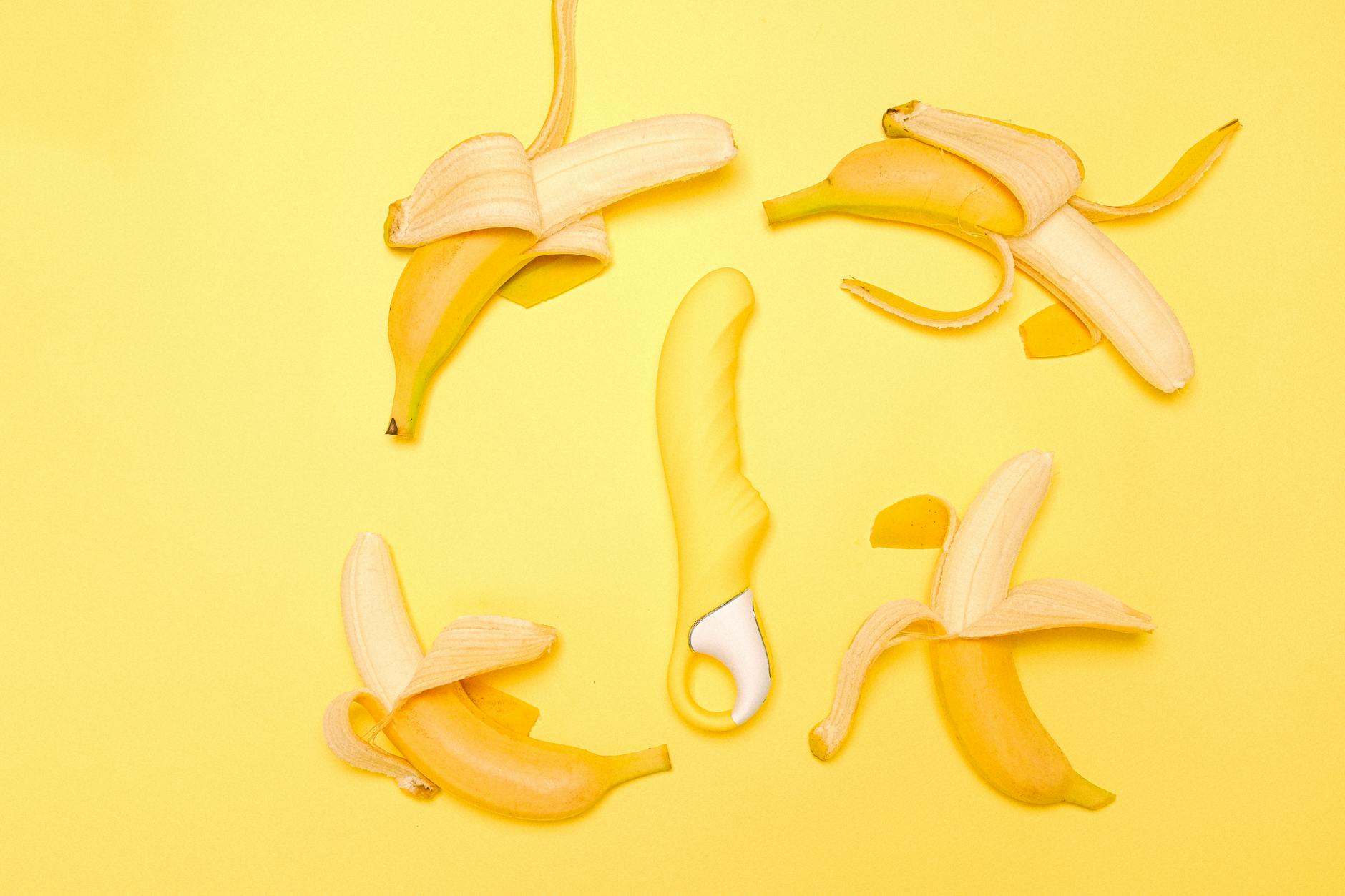
How to Use a Lemon Vibrator When You Start Dating Again After Divorce
You've been away from your own pleasure for longer than you realized. Here's how to reconnect with yourself first, and what to expect when someone new enters the picture.
Divorce doesn't just end a marriage. It freezes your sex life. Whether the freeze lasted two years or ten, the calculus of pleasure changes entirely when you're suddenly alone again. You're not just re-entering dating. You're re-entering your body after a gap where sex meant something different, or happened on someone else's timeline, or stopped mattering because the relationship was already dead.
There are three psychological anchors at play when you've been married and then divorced.
First, there's the loss of familiar touch. Even if sex wasn't great in your marriage, it was known. Your body had a rhythm, a partner's rhythm, predictability. That map gets erased when the relationship ends.
Second, there's often guilt tangled up in wanting pleasure again. If the divorce was contentious, or if there were kids involved, or if you feel like you "failed," pleasure can feel indulgent or wrong. Your nervous system learned to stay small. Solo pleasure is the antidote.
Third, there's genuine fear. What if you can't orgasm with someone new? What if your body doesn't respond the same way? What if you've forgotten how to be vulnerable? These fears are legitimate. They're also solvable.
I recommend every client returning to dating after divorce spend at least a month reconnecting with their own pleasure before bringing a partner into the mix. This isn't about waiting for permission or healing some deep wound. It's tactical.
When you use a lemon clitoral vibrator alone, you're doing three things simultaneously:
You're gathering data on your current body. Sensitivity, arousal speed, what patterns feel good, what feels too intense. Your body has changed since your marriage ended, even if nothing dramatic happened. You're learning the new map.
You're rewiring your nervous system around safety and pleasure. For years, pleasure might have been tangled with obligation, timing around someone else, or disappointment. Solo practice with a lem vibrator is purely yours. Your rhythm, your timeline, your goal. Repetition teaches your brain that pleasure is safe.
You're building confidence. When someone new asks what you like, you won't freeze. You'll know. You'll be able to say it. That certainty is incredibly attractive, and it also makes the sex better.
Get familiar with the tool first. Hold the lemon clitoral vibrator. Feel the weight, the texture, the button. Turn it on at the lowest setting and let the sensation settle. No pressure to orgasm. You're not training for performance. You're learning the device and what your body is ready for.
Start with external stimulation only. Direct contact on the clitoris feels intense after a long gap. Use the lem vibrator over your underwear first, then through light contact, building toward direct contact. Notice where the sensation is warmest, most alive. That's your feedback.
Slow down your timeline. You might need 30 or 45 minutes to reach orgasm after years away. That's normal and actually healthy. Your nervous system is rebuilding trust in the idea that pleasure is safe. Let it take time. The Nancyslem Shop's lemon vibrator is designed for precision, which means you can micro-adjust intensity instead of powering through. Use that.
Once you've reconnected with your solo pleasure, the transition to partnered sex is less scary. Here's what typically shifts:
Your nervous system knows what pleasure feels like again. When someone touches you, you're not starting from zero. The neural pathways are active. This makes you more responsive, faster to arousal, more orgasmic with a partner.
You know what you like. You can communicate it. "Slower," "lighter," "that pattern again," "I need five more minutes." That directness is not a buzzkill. It's the thing that makes sex actually work. Partners appreciate it.
You've rebuilt your own pleasure as a non-negotiable. You're not looking for a partner to validate you or fix you. You're looking for someone to add to something you've already claimed as yours. That shifts the entire energy.
Here's what I recommend saying, early but not on a first date:
"I've been away from dating for a while. I'm still figuring out what feels good to me now. I want to be honest about that so there's no pressure, and also so you know I'm going to tell you what I need."
That's it. You're not oversharing your divorce, your pain, your whole history. You're signaling that you're intentional, self-aware, and communicative. Most people find that attractive.
If they respond with impatience or the need to rush you into sex before you're ready, that's useful information. Move on.
This is personal, and there's no timeline. Some people never want a vibrator in partnered sex. Some introduce it within weeks. Here's what I tell clients:
Introduce it when you want to, not when you feel pressured to. "I like using this solo, and I'd like to explore it together" is a complete sentence. If your partner responds with insecurity ("aren't I enough?"), that's a relationship education moment, not a rejection of the vibrator.
Use a lemon clitoral vibrator during partnered sex to reduce performance anxiety. You're not relying entirely on their touch to reach orgasm. That takes pressure off both of you and makes the experience more collaborative.
Consider using it as foreplay before partnered sex, not always during. This keeps the sensation fresh and gives you multiple avenues to pleasure.
This is important: reconnecting with pleasure after divorce can feel good and also bring up sadness. You might realize how much of your sexuality was dormant during your marriage. You might grieve the years you spent disconnected from your body. You might feel angry.
All of that is normal. Pleasure and grief live in the same room for a while. Let them.
If the sadness feels heavy or the fear around intimacy doesn't lift after a few months of solo practice, talking to a therapist or relationship coach isn't a failure. It's the thing that makes partnered sex feel safer later.
You have a body. You have a history. You have preferences you've learned over decades of living. Starting to date again isn't erasing that. It's rediscovering it on your own terms, with your own timeline, using tools like a lemon vibrator that let you explore without pressure.
The first month of solo pleasure isn't a detour. It's the foundation.
There's no universal timeline, and frankly, the question isn't about when to date. It's about when you're emotionally ready to be around another person's needs and emotions without losing yourself in the process. For some people that's six months. For others, two years. A good marker is when you can spend time alone without feeling desperate to fill the silence. You're dating because you want to, not because you need to prove you're still lovable.
Actually, a lemon vibrator can be particularly helpful because it gives you control. You set the intensity, the pattern, the pace. There's no one watching, no one's rhythm to match. Solo practice with a lem vibrator often reduces intimacy anxiety because your nervous system learns that sexual sensation is safe. That confidence carries into partnered situations.
That's common and doesn't mean something's wrong. Orgasm with a partner is neurologically different from solo orgasm. Vulnerability, trust, and rhythm all matter. Give it time. Some people need 5 to 10 sexual encounters with a new partner before their body fully relaxes. If it's been 15 or 20 encounters and nothing's shifted, a sex therapist can help identify whether it's about your nervous system, the partner fit, or how you're approaching intimacy.
Not on a first date. But yes, at some point before sex. You can say it casually: "I use a vibrator solo and I like it. It's part of my routine." You're not asking permission. You're sharing information. The right person will be curious or supportive or neutral. The wrong person will make it weird. That tells you what you need to know.
Very normal, especially if you spent years in a relationship where your sexuality felt like something you owed someone else. Guilt fades when you practice pleasure as something you deserve, not something you're stealing. Solo practice with a lemon clitoral vibrator is actually guilt-dissolving because it's purely yours. Repetition rewires the shame.
A new vibrator, especially a lemon clitoral vibrator from Nancyslem Shop, is a fresh start. It doesn't carry the weight of your marriage. You're not continuing something old. You're choosing something new. That's psychologically powerful.
Rediscovering pleasure after divorce isn't about returning to who you were before the marriage. You're not going backward. You're building something new based on who you are now. That's harder and also better. Solo practice with a lemon vibrator, time, and patience are how you get there.