When your body stops answering
You're in bed. Things are happening that should feel good. Nothing feels like much of anything. It's not pain. It's not that you don't want to be there. It's just that your clitoris, your vulva, the whole landscape of your own body feels like it's behind thick glass. You can see it's being touched. You register that touch happening. You don't feel it.
Numbness during sex is more common than anyone talks about. And the silence around it makes people think they're broken. They're not.
What's happening is that sensation has disconnected from your nervous system. Sometimes temporarily. Sometimes for months. Understanding why, and learning to rebuild that connection, is exactly what I'll walk you through here.
Why sensation goes numb (the physical reasons)
Your ability to feel touch depends on three things working together: the nerves delivering the signal, the brain receiving it, and the hormonal environment that makes the whole circuit work. When any one of those misfires, sensation flattens.
Here's what can interrupt the circuit:
Nerve desensitization. If you've spent years using the same stimulation at the same intensity, your nerve endings adapt. They're not damaged. They're just no longer responding the way they did. This is called accommodation. It's the same reason your phone notification stops bothering you after a few months. Your nervous system got bored.
Hormonal shifts. Estrogen, testosterone, and cortisol all affect nerve sensitivity. If your hormones have shifted due to birth control, thyroid issues, medication, or stress, sensation can feel muted. This isn't weakness. It's neurochemistry.
Dissociation and stress. When you're anxious, your nervous system literally dampens physical sensation to protect you. This is useful if you're facing danger. It's less useful when you're trying to enjoy your own body. Chronic stress, relationship conflict, or past trauma can keep your nervous system locked in this protective mode.
Medication side effects. Antidepressants, antihistamines, and blood pressure meds can all reduce sensation. So can alcohol and cannabis, even though people often use them hoping for the opposite.
Circulatory changes. Blood flow to the clitoris and vulva needs to increase for full sensation. Anything that reduces blood flow (smoking, dehydration, poor cardiovascular health, tight pelvic floor tension) will dull sensation.
The emotional part that's just as important
Here's what I see in my practice: people separate "numbness" into physical and emotional categories and treat them as different problems. They're not. They're the same problem wearing different clothes.
If you feel emotionally disconnected from your partner, your body will respond by feeling disconnected too. If you're in a relationship where you don't feel heard, your nervous system will turn down the volume on all sensation. If you're carrying shame about pleasure, your body will obligingly become harder to reach.
The useful distinction isn't physical versus emotional. It's whether you can identify a trigger. Did sensation change after starting a medication? After a fight? After months of low intimacy? After you stopped doing the activity you normally enjoy? When you can point to a before and after, you have somewhere to start.
How a lemon vibrator changes things
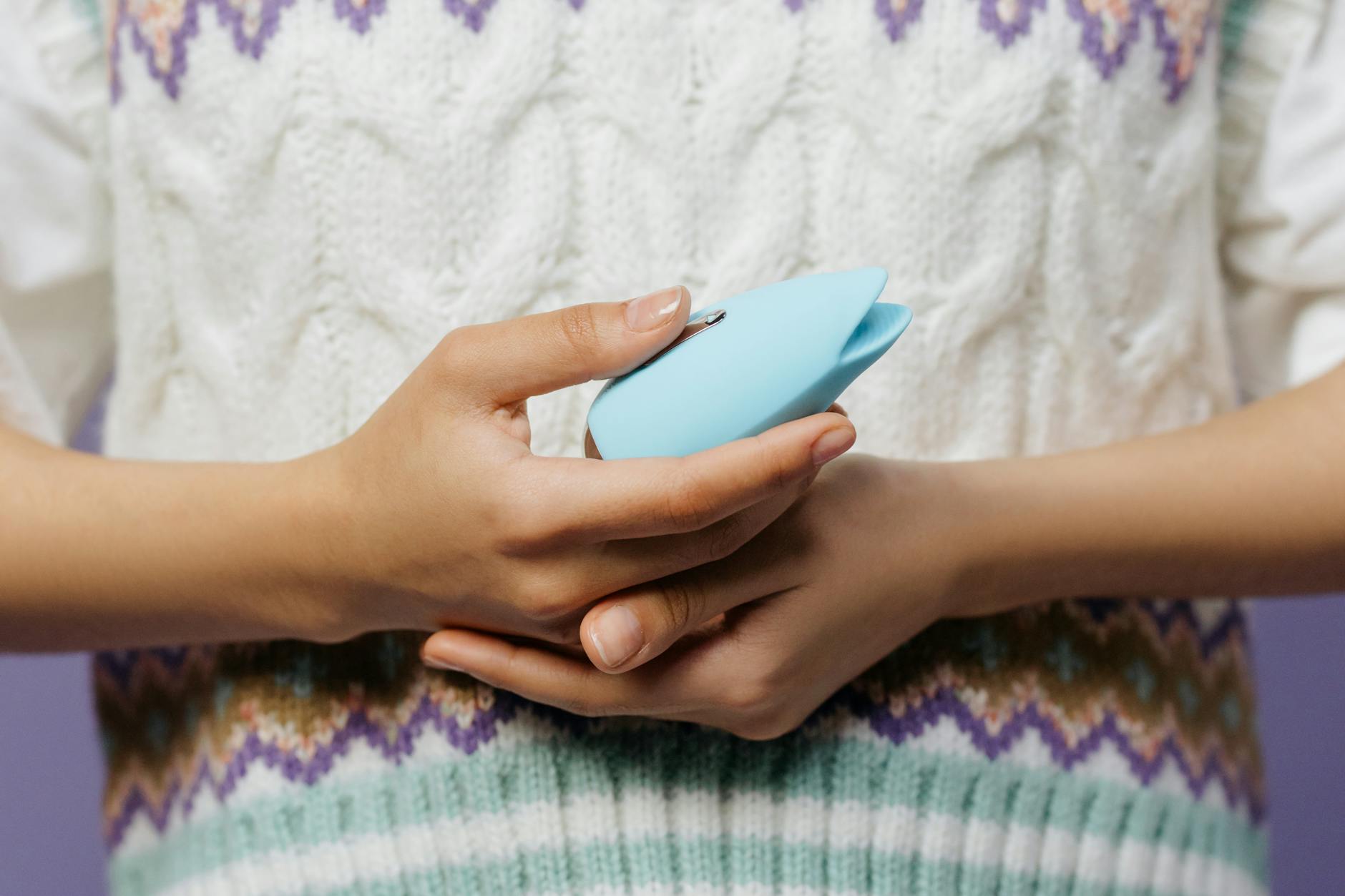
A lemon clitoral vibrator works differently than most toys you've tried. Instead of friction or vibration alone, it uses suction. That suction creates a novel sensation. Your nervous system doesn't adapt to it the same way.
Here's why that matters for numbness:
When sensation has flattened, you need something that feels different enough that your brain can't tune it out. Suction does that. It's not the same stimulation you've been using. Your nerve endings respond to novelty.
Secondly, the design of a lemon vibrator means you're not creating direct friction on already-desensitized tissue. The suction provides pressure without abrasion. For people whose numbness has a physical component (medication side effect, blood flow issue, or tissue sensitivity), this gentler approach often works better than a traditional vibrator.
Finally, suction toys like the Lem tend to feel more intense even at lower settings. If your numbness is partly about needing stronger stimulus to register, you're getting that without having to crank the intensity to a painful level.
The practical steps to rebuild sensation
Sensation doesn't come back all at once. But you can coax it back.
Start with novelty and exploration. Spend 2-3 sessions just touching yourself without any outcome goal. No trying to orgasm. No watching the clock. Just noticing what feels different, what feels like nothing, what surprises you. A lemon vibrator is good for this because the sensation is genuinely novel.
Try different patterns and intensities. If you've been using the same rhythm forever, your nerve endings have stopped paying attention. Mix it up. Start at setting 1 on your Lem. Spend 5 minutes there. Move to setting 2. Then back to 1. The variation itself helps rewake sensation.
Warm up first. Your body needs 10-15 minutes of arousal before you bring out the main tool. This isn't foreplay in the traditional sense. It's your nervous system shifting from "alert" to "receiving." You can do this yourself or with a partner. Read something that turns you on. Watch something. Touch other parts of your body. Let the blood flow build.
Address stress separately. If numbness is connected to anxiety or disconnection, you need to tackle that parallel track. That might mean therapy, that might mean addressing the relationship issue directly, that might mean exercise or meditation. A lemon vibrator is a useful tool. It's not a fix for underlying stress.
Check medication and lifestyle factors. If you started a new antidepressant and sensation dropped, that's worth discussing with your prescriber. There are often alternatives. If you're not sleeping, not exercising, drinking heavily, or smoking, those are easier levers to pull than you'd think.
When to know it's time to see someone
If numbness started suddenly after an injury or is accompanied by pain, see a pelvic floor physical therapist. If it started when you began a medication, talk to your doctor about whether dosage or timing could shift. If you suspect it's connected to trauma or anxiety, a trauma-informed therapist can help your nervous system recalibrate.
Numbness isn't a character flaw. It's information. Your body is telling you something needs attention. The fact that you want to feel it again means you're already halfway to getting there.
Frequently asked questions
How long does it usually take to feel sensation again?
It depends on the cause. If numbness is from medication, you might feel change within weeks of adjusting the dose. If it's from years of the same stimulation, rebuilding takes 4-8 weeks of varied exploration. If it's from stress or disconnection in the relationship, it depends on whether that improves. Pay attention to small shifts. Sensation doesn't snap back. It gradually returns.
Can using a lemon vibrator make numbness worse?
Not if you use it thoughtfully. The risk is using it as a crutch without addressing underlying causes. If you use a lem vibrator as a tool while also addressing stress, changing medication if needed, or rebuilding intimacy, it accelerates recovery. If you use it hoping it will fix emotional disconnection without addressing the relationship, sensation might improve mechanically while emotional numbness persists.
Is numbness a sign I've damaged my nerve endings permanently?
In almost all cases, no. Nerve accommodation is reversible. Hormonal changes are reversible. Dissociation from stress is reversible. The only time nerve damage is permanent is after physical injury, and that's rare. What's common is that your nervous system has adapted to protect you, and you need to give it permission to open back up.
Should I be using a lemon clitoral vibrator if I have numbness, or a different kind of toy?
The lemon vibrators in the Nancyslem Shop line, especially the Lem, are specifically good for sensation reconnection because suction creates a different pathway than vibration alone. That said, some people find they need to start with something even gentler. If the suction feels overwhelming, start with your hands first. Build back to the toy.
My partner wants sex more than I do because I have numbness. How do we handle that?
This is a conversation, not a timing issue. Tell them: "Numbness is making sex feel less rewarding for me. I want to rebuild that. What I need is patience and presence, not pressure." Then follow through. If you're using a lemon vibrator for sensation reconnection, solo exploration often helps more than partnered sex while you're rebuilding.
Is there anything I shouldn't do when trying to rebuild sensation?
Don't use the same tool you've been using before. Don't set an orgasm goal. Don't rush the warm-up phase. Don't compare your timeline to anyone else's. And if you notice numbness is tied to feeling unsafe or emotionally distant, don't ignore that layer. The body and the relationship are connected.
The path forward
Numbness isn't permanent. It's not a reflection of your capacity for pleasure. It's your nervous system telling you it needs something different. A lemon vibrator, patience, and attention to what's actually happening beneath the surface can bring sensation back. You already have the map. You just needed to know where to start looking.
If you're ready to explore and want guidance, let's talk. Understanding your body's needs is half the journey.