When your body feels like a stranger again
Honestly, getting back to pleasure after illness or surgery is one of the things nobody warns you about. You spend weeks (or months) focused on healing, on rest, on just getting through the day. Then one day the doctor clears you, and you're supposed to slide back into intimacy like nothing happened. Except everything has happened. Your body feels different. Your confidence in it is different. And that's completely normal.
Let's talk about how to rebuild that connection using a lemon clitoral vibrator, which is specifically designed for the kind of gentle, controlled stimulation that works when your body is relearning pleasure.
Why restarting matters more than you think
After extended illness or recovery from surgery, your nervous system has been in protection mode. That's not dramatic or fragile. It's biology. Your body prioritized healing over sensation, which means nerve endings might feel less responsive, touch might feel unpredictable, and arousal might feel completely absent. Many people describe it as "waking up" their sexuality, which sounds poetic until you're lying there wondering if you'll ever feel that again.
The good news: sensitivity returns. It just needs the right conditions. A lemon vibrator gives you those conditions because it offers pattern-based stimulation instead of simple vibration. The suction-and-release motion on the clitoral area is less overwhelming than traditional vibration while still being effective at rebuilding nerve awareness and arousal capacity.
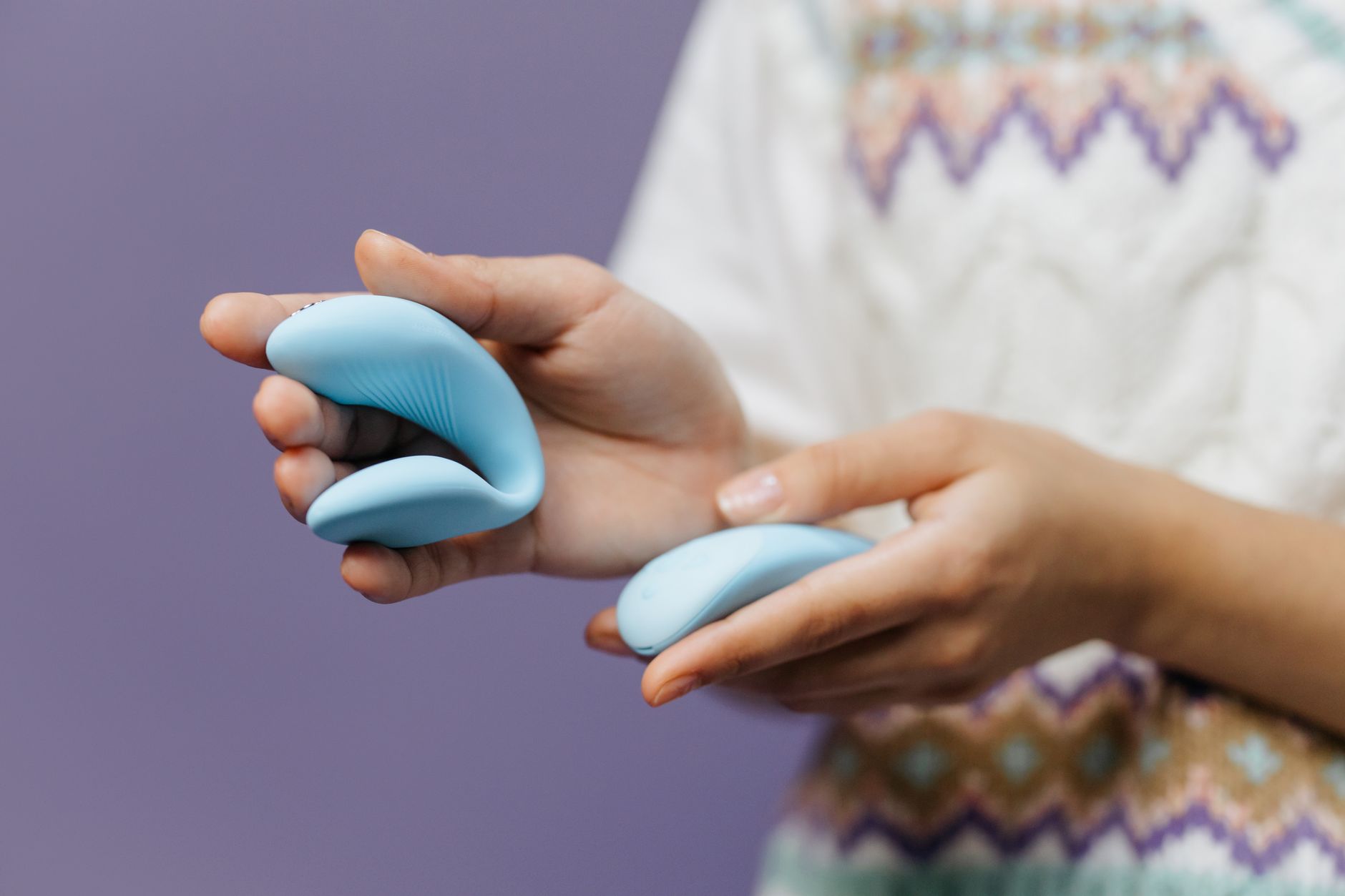
Photo by cottonbro studio on Pexels
Start with permission, not pressure
The biggest barrier to restarting intimacy after illness is psychological, not physical. You've been told to rest. Your identity has been "the person recovering." And suddenly you're supposed to access pleasure, which feels frivolous or risky or both.
Here's what I tell my clients: pleasure during recovery is not indulgence. It's a marker of healing. When your body can feel good, it means your nervous system is coming back online. Using a lemon vibrator is literally a way of saying "I'm ready to feel again."
Start solo. This matters. Before involving a partner, spend time alone learning what your body needs now. Illness changes you. Your preferences might have shifted. Your sensitivity threshold might be different. A solo session with the Lem gives you space to explore without anyone else's timeline or expectations.
The practical setup that actually works
Three things before you start:
Timing matters. Pick a time when you're not tired or in pain. Recovery is exhausting, and arousal requires energy. Late afternoon often works better than late night. If you're on pain medication, use it 30-45 minutes before so you're comfortable but still present in your body.
Lubrication is your friend. After surgery or extended illness, natural lubrication might be sparse or absent. Water-based lube (the standard for all lemon sexual toys and clitoral vibrators) helps your tissue feel the stimulation clearly rather than friction being the dominant sensation. This makes the lemon vibrator's suction patterns actually pleasurable instead of uncomfortable.
Temperature and comfort. Lie down somewhere you feel supported. A pillow under your pelvis, blankets nearby, phone off. Your body has spent weeks in vulnerable positions in medical settings. Reclaiming comfort and control in an intimate setting is part of the healing.
How to use the lemon vibrator when sensation feels muted
Start on the lowest pattern. The Lem has multiple settings, and I see people skip to intensity out of habit. Don't do that. Patterns 1 and 2 are designed for exactly this scenario: reintroducing sensation without overwhelming tissue that's been dormant.
Approach the clitoral area slowly. Don't create suction immediately. Let the vibrator make contact with the clitoral hood (not directly on the clitoris itself at first). You're reintroducing your body to touch. This isn't about orgasm. It's about sensation.
Wait for response. With the Lem's pattern-based approach, you'll feel the suction-and-release rhythm. Notice where you feel it most. Does it feel good? Does it feel neutral? Does anything ache? There's no wrong answer. You're gathering data about your body's current state.
Give yourself 5-10 minutes minimum. Recovery-phase arousal is slow. Your brain is still slightly skeptical that pleasure is safe. After 5-10 minutes, you might notice warmth building, lubrication increasing, or sensation deepening. That's the nervous system waking up.
When to escalate (and when to hold steady)
If sensation feels good and arousal is building, you can move to pattern 3 or try direct clitoral stimulation. Some people prefer to stay on a single pattern for several sessions before varying intensity. That's smart. Your body is learning again.
If sensation feels distant or numb, hold at pattern 1 for two or three sessions. Numbness after illness is temporary but real. It's not a sign you're broken. It's a sign your nervous system needs a gentler reintroduction.
If anything hurts, stop. This is non-negotiable. Pain signals that tissue isn't ready. Pain is different from "this feels odd" or "this is taking longer than I expected." Pain means pause and wait a few days before trying again.
What happens when you want to include a partner
If you have a partner, this conversation needs to happen outside the bedroom. Tell them what you've discovered about your body. "I feel sensation most on pattern 2." "I need 10 minutes of warm-up." "I'm working on rebuilding connection to my own pleasure right now, and I want your support by giving me space and patience."
Many partners want to help but don't know how. Using a lemon clitoral vibrator together can be part of that. Your partner might hold the Lem while you guide the rhythm and intensity. Or they might simply be present while you use it on yourself, offering touch elsewhere on your body. There's no prescribed "right way."
The point is: your partner's presence should reduce anxiety, not add it. If you're worried about their reaction or their timeline, you're not ready to involve them yet. That's information worth knowing.
If progress feels slow, that's still progress
Recovery isn't linear. Some days your body feels more responsive. Some days it doesn't. That's not failure. That's healing. I've worked with clients who rebuilt intimacy over three weeks and others who took three months. Both timelines are normal.
What matters is consistency and kindness toward yourself. Using a lemon vibrator twice a week is infinitely better than pressuring yourself into daily sessions and feeling like you're failing if sensation doesn't snap back immediately. Your body has been through something. Treat it like it has.
When to check in with a provider
If you're six weeks post-surgery and sensation hasn't returned at all, mention it to your doctor. Some recovery timelines are longer than others depending on what you've been through. If pain persists during stimulation, or if you notice swelling or discharge, that's a medical conversation, not a "push through it" situation.
Also: if you're on new medications as part of recovery (antibiotics, painkillers, hormonal medications), those can affect arousal and sensation. Your prescriber might not ask about this, but it's worth mentioning if things feel off.
Rebuilding is not starting over
The hardest part of restarting intimacy after illness is the psychological burden of it. You're grieving the version of your body and life before. You're adapting to a new normal. And you're trying to access pleasure while doing both. That's a lot.
A lemon vibrator, specifically designed for clitoral pleasure, offers a way back in that doesn't rely on partner involvement or penetration or any of the baseline assumptions about intimacy that might feel complicated right now. It's just you, your body, and a tool designed for exactly this scenario. That's enough.
People also ask
How long after surgery is it safe to use a vibrator?
This depends entirely on what you've been through. After a routine procedure with no genital involvement, most doctors clear sexual activity in 2-4 weeks. After pelvic surgery, that timeline extends. Ask your surgeon directly. Don't rely on general guidelines because your specific procedure matters. Once cleared, start gently. A lemon vibrator's pattern settings let you introduce stimulation gradually rather than diving into intensity.
Can using a vibrator speed up recovery or slow it down?
Proper use of a vibrator won't delay healing. Stimulation actually increases blood flow to the area, which supports recovery. However, if you're causing pain or irritation by using it too aggressively before tissue is fully healed, you can create inflammation. This is why low-pattern settings matter. The Lem's design lets you offer stimulation without mechanical trauma.
What if my partner wants sex before I feel ready?
Then you have a conversation about timelines and needs. Sometimes that's straightforward. Sometimes it requires help from a therapist or relationship coach. Restart intimacy on your timeline, not on someone else's. If a partner pressures you into physical activity before you're genuinely ready, that's a red flag worth examining with professional support.
Does numbness after illness mean permanent loss of sensation?
No. Numbness is incredibly common in the first weeks or months post-recovery and almost always temporary. Your nervous system is recalibrating. Give it time. If numbness persists beyond three months and you're cleared for activity, that's a conversation for your doctor, because medication side effects or nerve healing might need attention.
Can I use a lemon vibrator if I have internal stitches or internal scarring?
External use of a clitoral vibrator is safe even with internal stitches because you're not inserting anything. A lemon vibrator works entirely on the vulva, not inside the vagina. However, if you have heavy external stitches or external scarring in the vulval area, wait until those are fully healed before direct stimulation. Pattern-based suction is less traumatic than friction-based vibration, but respect what your body is telling you.
How do I know if I'm ready to involve my partner?
You're ready when pleasure feels less like medicine and more like something you want. When you've rebuilt some confidence in your body's response. When the idea of your partner's presence feels supportive rather than evaluative. There's no timeline. Some people are ready in weeks. Others take months. Both are fine. Solo exploration first lets you rebuild your relationship with your own pleasure before adding another person into the mix.
The path forward
Restarting intimacy after extended illness is not a sprint back to "normal." It's a patient rebuild of confidence, sensation, and connection. Using a lemon vibrator designed for clitoral pleasure gives you a tool that lets you control intensity, pace, and sensation. You get to decide when and how to explore, which is exactly what your recovering nervous system needs.
Your body will feel familiar again. Your pleasure will return. But the timeline is yours, not anyone else's. Start gently, stay consistent, and treat yourself with the same care you'd offer a friend in your position. That's how real recovery happens.
If you're struggling with the emotional side of recovery alongside the physical side, that's worth exploring with a therapist or relationship coach who specializes in post-illness intimacy. Your doctor can clear you medically, but rebuilding confidence sometimes needs support beyond medical clearance.
You're not behind. You're exactly where you need to be.