Let's talk about what rejection actually does
Sexual rejection isn't the same as being turned down for a promotion. It's personal in a way that cuts deeper and lingers longer. Your partner said no to your body, your desire, your initiative. That's what it feels like, even if rationally you know rejection in a relationship is usually about timing, stress, mood, or compatibility—not about your fundamental worth.
But your nervous system doesn't care about rationality. It registers the "no" as a threat to belonging. So you start questioning whether you're still desirable, whether your pleasure is welcome, whether initiating is even safe.
That's where solo pleasure comes back into the picture. Not as a replacement for partnered sex, but as proof. Proof that your body knows how to feel good. Proof that desire lives inside you independent of anyone else's response.
Why rejection hits pleasure first
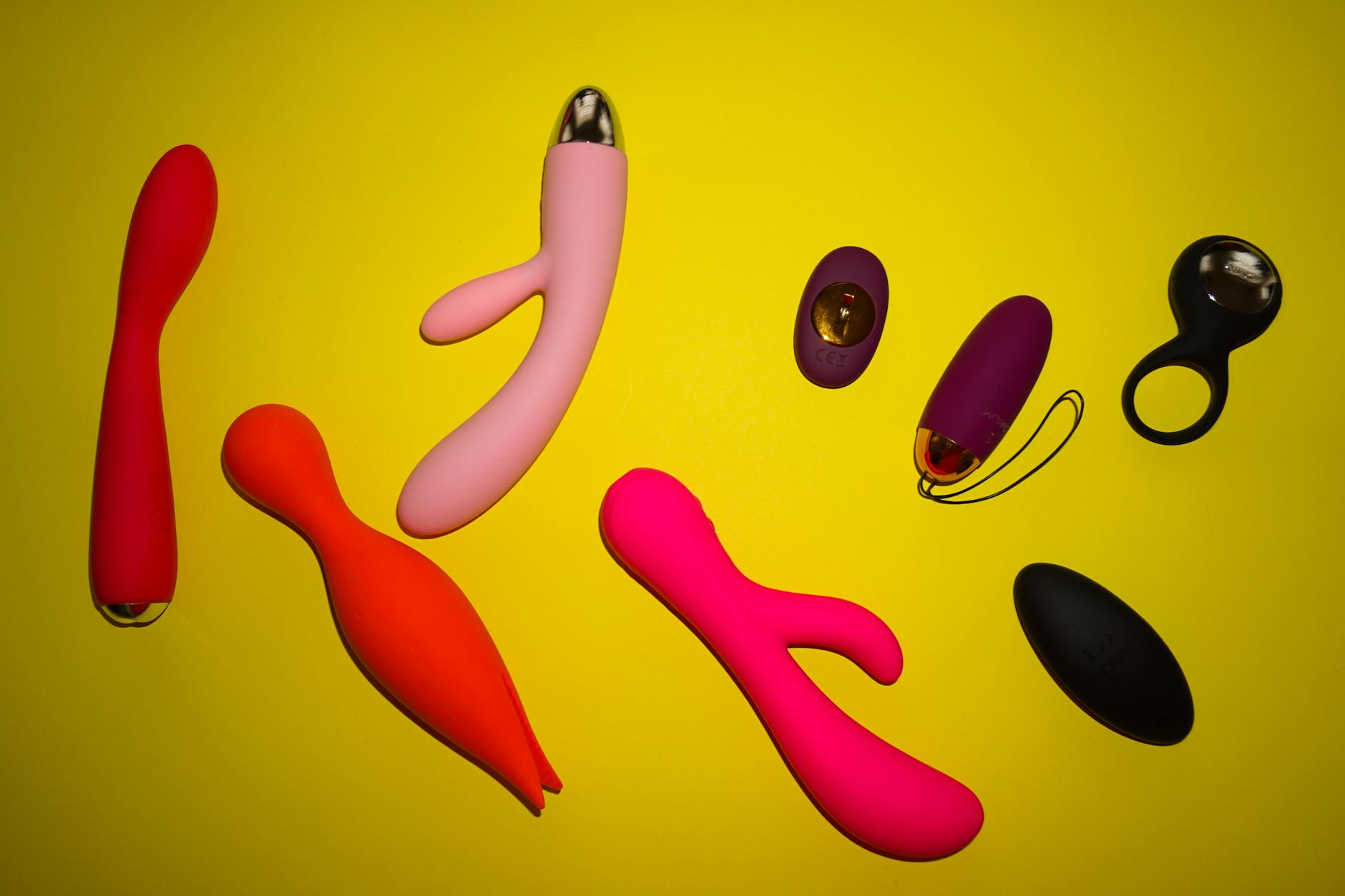
When someone rejects us sexually, we often unconsciously reject ourselves first. We stop touching our own bodies the way we used to. We avoid looking in mirrors. We skip masturbation because it feels too close to the wound. The lemon vibrator sits in the drawer, and the avoidance reinforces the story: "I'm not that person anymore."
Here's what actually happens neurologically. Rejection activates your threat detection system. Your brain floods with cortisol. Everything that felt easy—arousal, desire, self-touch—suddenly feels risky because the last time you were vulnerable, it didn't go well.
Solo play breaks that pattern. Not because it's therapeutic in some woo sense, but because it's concrete evidence. You touch yourself. You feel good. Your body responds. No one's judgment required.
Starting small: The first time back
Don't expect the first session to feel like anything. Expect it to feel strange, maybe slightly numb, possibly even sad. That's normal.
Set a time when you have privacy and no pressure to produce an outcome. An orgasm is not the goal here. Reconnection is the goal.
Start without the lemon vibrator. Spend 5-10 minutes on your own, clothed or partially clothed, doing whatever feels vaguely good. This might be touching your neck, your breasts, your arms. Not performance touch. Actual sensation-seeking.
Then, when you're ready (this might take weeks), introduce the lemon vibrator on low. Don't aim for the clitoris first. Use it on your inner thighs, your labia, the areas around the clitoris. The Lem's suction technology is gentler than friction vibrators, which matters when you're rebuilding. You need sensation without intensity.
Many people find that suction-based clitoral vibrators feel less invasive than traditional vibrators when they're working through rejection. The lemon sucker design doesn't require deep insertion or aggressive pressure. You're in complete control of every sensation.
The confidence rebuild: What it actually looks like
Week one might look like: touching yourself through your underwear and feeling almost nothing. That's fine.
Week three might look like: using the lemon vibrator on low for two minutes before it feels too intense. That's progress.
Week six might look like: actually reaching orgasm and being surprised by it. Then wondering if it was real or if you faked it, which is very normal.
What matters is consistency, not intensity. Five minutes twice a week is infinitely more healing than one marathon session followed by weeks of avoidance.
As you reconnect, something shifts. Not overnight. Gradually, you start to remember that your pleasure exists separately from your partner's response to it. Your body still works. Your desire is still there, maybe buried under hurt, but present.
Using pleasure to reset the narrative
Sexual rejection often comes with a story you construct about yourself: "I'm not desirable anymore." "I'm bad at sex." "I'm too much." "I'm not enough."
Pleasure—especially solo pleasure with a tool you control completely—rewrites that story by accident. You're not trying to convince yourself of anything. You're just experiencing sensation. But the experience itself contradicts the narrative.
With a lemon vibrator, you have complete autonomy. You decide the intensity, the pattern, the duration. No negotiating. No waiting for someone else to be in the mood. If you want to stop at two minutes, you stop. If you want to keep going for thirty, you do.
That agency matters more than you might think. It's not selfish. It's reclamation.
What to expect emotionally
You might feel grief mixed with pleasure, especially early on. That's not a sign you're doing it wrong. That's your nervous system processing multiple things at once: loss, reclamation, anger, relief. Let those coexist.
You might also feel guilty. "Why am I doing this when my partner rejected me?" The answer: because your pleasure isn't a reflection of your relationship's problems. It's a reflection of you. Solo play doesn't mean you've given up on your partnership. It means you're not letting rejection take your sexuality with it.
Some people find that rebuilding solo pleasure actually improves their partnered sex life, if the relationship survives and heals. Others find that it clarifies whether the relationship is worth staying in. Both outcomes are legitimate.
Moving forward: From solo recovery to next steps
If you're rebuilding confidence specifically because you want to re-engage with your partner, moving from solo pleasure back to partnered sex requires communication. This is probably the hardest part.
You might say something like: "I've been working through some stuff around what happened between us. I want to try again, but I need to know that we're both showing up." That's not easy, but it's honest.
You can also bring the lemon vibrator into partnered play if you want. Many couples find that introducing a clitoral vibrator actually reduces pressure on both sides. You have direct clitoral stimulation. Your partner can focus on other touch. Everyone's needs can actually be met.
If you're rebuilding confidence because you're moving toward a new relationship, that solo practice becomes something different. It's not recovery anymore. It's baseline. You know what your body needs. You know what pleasure feels like on your own. You're not entering a new dynamic from a place of scarcity.
The lemon vibrator as a confidence tool
There's something about having a tool that's specifically designed for your pleasure that shifts things. You buy it. You use it. You get to know it. It's small, portable, discreet if you need it to be. It works exactly the way you need it to work.
The lemon clitoral vibrator is also beautifully pressure-free. Suction stimulation means you can use it for five minutes or fifty. You can apply it wherever feels good. There's no performance, no timing, no coordination with anyone else's body.
For rebuilding after rejection, that simplicity is everything.
A note on timing
Don't rush this. If you're two weeks out from rejection and still in acute pain, the goal isn't to force pleasure. The goal is to notice when you're ready. Readiness feels like curiosity, not obligation. When you start thinking "I wonder if I could..." instead of "I should," that's the signal to start.
If you're six months out and still numb, that might be a sign that you need support beyond solo play—a therapist, a trusted friend, space to process the relationship itself. Solo pleasure is a powerful tool for rebuilding, but it's not a substitute for actual healing.
What confidence actually looks like after rejection isn't about returning to baseline. It's about building something new. You know your body in a way you didn't before. You know what desire feels like when it's purely yours. You're not waiting for permission.
That's the real reset.
People also ask
Is it normal to feel emotional when using a vibrator after sexual rejection?
Completely normal. Your nervous system has learned to associate intimacy with pain, so pleasure sometimes triggers grief or anger or sadness. Those feelings don't mean you're doing it wrong. They mean you're processing something real. Give yourself permission to feel whatever comes up. If emotions become overwhelming, take a break and come back when you're ready.
How long does it take to rebuild sexual confidence after rejection?
There's no timeline, but most people report shifts in 4-8 weeks of consistent solo play. Consistency matters more than duration. Two minutes three times a week is better than waiting months for a "perfect" session. What you're building is a new relationship with your own pleasure, and that's gradual work.
Can using a lemon vibrator solo make partnered sex harder or awkward?
Not inherently. Some people find that solo play with clitoral vibrators actually helps partnered sex because they know their own body better. You can show a partner what you like. You're not expecting them to guess. Communication gets easier, not harder. The Lem's gentle suction also pairs well with partner touch, if that's something you want to explore down the road.
What if I still don't feel anything after several weeks of trying?
Numbness after rejection is real and sometimes it sticks around. Check in with yourself: are you using enough lube? Is the intensity too high or too low? Are you actually relaxed, or are you holding tension in your pelvic floor? If you've tried adjusting those things and nothing shifts, talking to a therapist might help. Sometimes the body needs emotional safety before it can feel pleasure again.
Should I tell my partner I'm using a vibrator for this recovery?
That's your call. Some partners feel threatened. Some feel relieved that you're taking care of your own needs. Some don't need to know. What matters is that you're doing this for you, not for them. If you eventually want to explore partner play together, that's a separate conversation that comes later, if at all.
Is there a difference between using a lemon vibrator and other types of vibrators for rebuilding confidence?
Yes. Suction-based clitoral vibrators like the Lem are gentler on sensitive tissue and don't require insertion, which can feel safer when you're rebuilding after rejection. The gentle suction replicates oral sensation without the intensity of traditional vibrators. Many people find that lemon clitoral vibrators feel less aggressive and more intuitive when they're working through trauma or rejection. You can control intensity precisely, and the sensation feels less "demanding" than conventional vibration.
Moving forward
Rebuildng after sexual rejection isn't about forcing yourself to want sex again. It's about remembering that your pleasure exists independent of anyone else's willingness to participate in it. A lemon vibrator becomes a tool in that reclamation. Not a substitute for a partner. A reminder that you're whole on your own.
When you're ready to reconnect with a partner—whether that's the same one or someone new—you'll do it from a place of knowing what you want. That changes everything.
If you're struggling with how rejection is affecting your relationship more broadly, that's worth talking through. Reach out to contact us if you want resources or support navigating this.
Your pleasure matters. Your body isn't the problem. Rebuild on your own timeline, and trust what you find when you do.