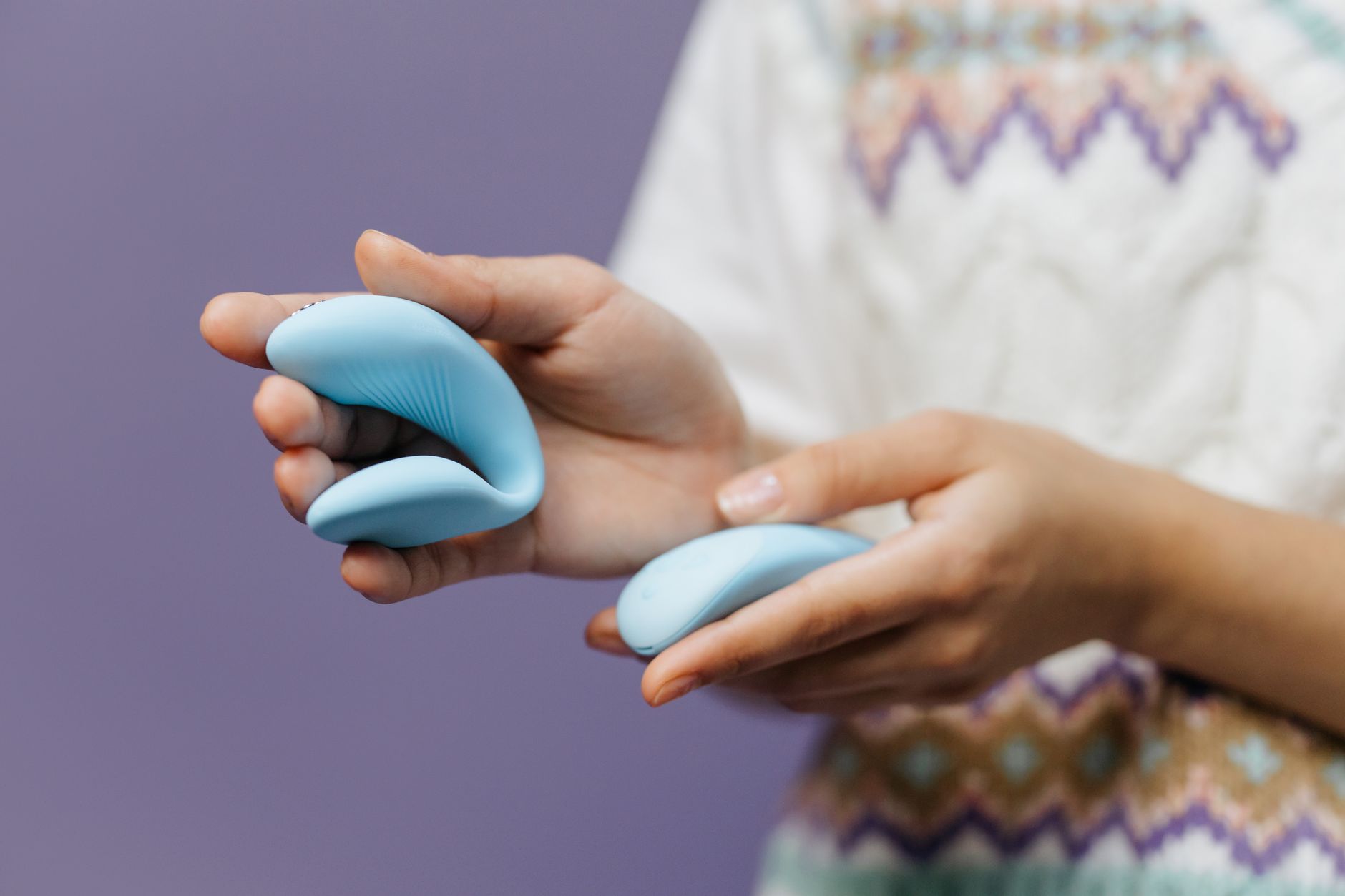
Let's talk about what recovery actually looks like
Pelvic trauma rewires how your body responds to touch. It's not weakness. It's not something to rush through. And it absolutely doesn't mean pleasure is off the table forever. What it does mean is that rebuilding sensation, safety, and desire takes intentional time and the right tools.
A lemon vibrator, especially something designed with precision like a clitoral suction toy, can be part of that toolkit. But only if you approach it the right way.
Why clitoral vibrators work differently for trauma recovery
Here's the thing about pelvic trauma: it often leaves the nervous system hypervigilant. Direct touch, even gentle touch you want, can feel overwhelming. Your body's threat-detection system has been recalibrated, and it takes patience to recalibrate it back.
Clitoral vibrators like those from Nancyslem Shop work well in recovery because they offer a specific kind of stimulation that doesn't require direct contact at first. A lemon vibrator uses suction and gentle pulsing patterns rather than vibration alone, which means:
- You can keep a barrier (underwear, a thin layer of fabric) between your body and the device
- The sensation is diffuse rather than pointed, which feels safer to many people recovering from trauma
- You're in complete control of intensity, pattern, and when to stop
- The novelty of the sensation can sometimes bypass the old trauma script your body has memorized
Building safety back into your body
Trauma is stored in the nervous system, not just the mind. When your body has learned that pelvic touch equals danger, pleasure doesn't feel accessible because your nervous system is in survival mode. You're not broken. Your system is protecting you.
Using a lemon vibrator in a trauma-informed way means prioritizing safety signals over sensation signals. That looks like:
Start clothed, always. If you're using a clitoral vibrator during early recovery, wear underwear or a thin layer. The barrier isn't about prudishness. It's about your nervous system getting the message that you control how much direct contact happens, and you can modify it instantly.
Pick a pattern that feels boring first. Your instinct might be to jump to the most intense setting because it feels novel. Don't. Start with the lowest pattern, the slowest rhythm. Boredom is actually the goal here. You want stimulation your nervous system has already learned is safe, not a jolt that triggers the old "threat detected" response.
Use it in a space you've chosen. Not a space your partner chose. Not a space where trauma happened. Somewhere you feel genuinely at ease. Your bedroom, your living room, a hotel room on a solo trip. The environment matters.
The role of solo exploration in healing
Here's what I see in my practice again and again: people recovering from pelvic trauma rush back to partnered sex before they've rebuilt their own sense of safety in their body. Then partnered sex becomes another thing their body learned to fear, and the healing timeline extends.
If you have a partner, this matters more than you think.
Using a lemon vibrator solo first, before any partnered play, does two things. It teaches your nervous system that pelvic touch can exist without another person's agenda, pressure, or unpredictability. It also teaches you what arousal actually feels like now, which is different than before trauma. Your baseline has shifted. Your preferences might have shifted. Your pace has definitely shifted.
When you use a lemon clitoral vibrator alone, you're gathering information about your own body on your own terms. That's the foundation everything else is built on.
What to do if sensation doesn't return immediately
Some people recovering from trauma experience numbness in the genital area. Not because something is permanently broken, but because that's how trauma dissociation works. The nervous system disconnects from the area to protect you from feeling the pain.
Numbing after pelvic trauma is common and often temporary, though it can feel permanent while you're in it. If this is your experience, here are three things to know:
First, sensation usually returns, but it returns on its own timeline, not your timeline or your partner's. Don't rush it. Second, a lemon vibrator can actually help sensation return because it provides consistent, controlled stimulation that eventually wakes up the neural pathways without overwhelming them. And third, if numbness persists beyond six months, a trauma-informed pelvic floor physical therapist is worth consulting. They can assess whether there's a physical component you can address directly.
When to bring a partner in (and how)
If you have a partner, the conversation about healing through a lemon vibrator needs to happen early and repeatedly. Not once. Repeatedly. Because as your comfort changes, the conversation needs to change too.
Here's what to say: "I'm rebuilding my sense of safety in my body. I might use a vibrator solo for a while. That's about me, not about us. When I'm ready for us to explore together, I'll let you know. I need you to trust my pace."
Then, when you are ready, start small. Maybe your partner holds the lemon vibrator while you stay in control of the button. Maybe you use it while they touch a non-pelvic part of your body. Maybe you use it while they're just in the same room. Tiny increments. Checking in constantly. The moment anything feels unsafe, you stop. No negotiation.
Practical setup for comfortable recovery
The physical space and your actual comfort matter more than you might think. Here's what I recommend:
Use a water-based lubricant if you're using the vibrator directly on skin, even through underwear. Lubrication reduces friction and makes the sensation feel softer and less intense. Have tissues nearby. Have water nearby. Set a timer for 10 minutes, not 30. Short sessions are more effective during recovery because your nervous system doesn't get overwhelmed.
Have a grounding object within reach. Something you can hold or touch if you feel a flashback coming: a smooth stone, a soft blanket, an ice cube. Sometimes pleasure and trauma memories get tangled during recovery. A physical object that brings you back to the present moment is genuinely useful.
The emotional layer nobody talks about
Here's something your doctor might not mention: pleasure during recovery can feel like guilt. Your body might experience physical pleasure while your mind is screaming that you don't deserve it, or that wanting pleasure means you're not taking the trauma seriously enough.
That's the trauma response talking, not the truth.
You deserve to feel good in your body. Rebuilding pleasure isn't about "getting over it." It's about reclaiming something the trauma took from you. Using a lemon vibrator, or any pleasure tool, is an act of agency. It's you telling your nervous system "I decide what happens to my body now." That decision itself is part of the healing.
FAQ: Lemon vibrators and pelvic trauma recovery
Can I use a clitoral vibrator if I'm still having flashbacks?
Yes, but with significant groundedness practices. If flashbacks are happening regularly, consider working with a trauma therapist first. They can teach you grounding techniques that make vibrator use safer. Start with the vibrator off, just holding it. Let your body know it's a tool you control, not something that controls you.
How long before I'm "ready" for a lemon vibrator after trauma?
There's no timeline. Some people are ready within weeks. Some take years. Your nervous system will tell you. If the thought of any genital touch makes your stomach tighten, you're not ready yet. If you feel curious, even a little, you might be. Curious is different than obligated or pressured. Curious is the green light.
What if I use a lemon vibrator and feel worse?
Stop. This matters. Your body is telling you something. You might need more time. You might need a trauma therapist to help you work through the specific memory or sensation that came up. You might need to start with a different kind of touch altogether. Listen to your nervous system. It's not being difficult. It's protecting you.
Can my partner use the vibrator on me if I'm in recovery?
Maybe eventually. But solo first, always. Once you've rebuilt your own safety and pleasure solo, then the question of whether your partner can be involved is a different conversation. And you get to change your mind about it at any point. Your body, your consent, your rules.
Does using a vibrator mean I'm not actually healing?
No. Healing isn't about suffering through numbness or avoiding pleasure. Healing is about rebuilding your sense of agency and safety in your own body. If a lemon clitoral vibrator helps you do that, it's a healing tool. Full stop.
How do I know if what I'm experiencing is trauma response or just low desire?
Trauma response usually has a physical component: tightness, numbness, dissociation, flashbacks, or a distinct "no" feeling when something that used to feel good now feels threatening. Low desire is usually more mental or hormonal. If you're unsure, a trauma-informed therapist can help you figure it out.
The real bottom line
Recovery from pelvic trauma isn't a detour from your life. It's part of your life now. A lemon vibrator isn't a magic cure. It's a tool that can help your nervous system learn that pleasure, touch, and safety can coexist. But only if you use it slowly, intentionally, and always on your own terms.
Your body knows what it needs. Your job is to listen, be patient, and give yourself permission to heal at whatever pace feels true. If you need support navigating this, reach out. There's no shame in getting help.