Why your body feels like a stranger after stopping birth control
Let's be real: nobody warns you about this part. You stop taking the pill or get the IUD removed, and suddenly your libido, lubrication, arousal speed, and orgasm intensity all feel different. Not wrong. Just different. And different can feel deeply unsettling when you've spent years on hormonal contraception.
Here's what's happening. Hormonal birth control suppresses your natural hormone cycle. It flattens testosterone, stabilizes estrogen at artificial levels, and mutes the hormonal peaks that drive desire. Your body adapts to this flat landscape for months or years. When you remove that chemical cushion, your natural hormone cycle roars back. That's not a problem. It's a reboot. But it requires patience and often a different approach to pleasure.
The immediate shift: what typically changes first
In the first two to four weeks after stopping hormonal birth control, three things happen simultaneously.
Testosterone rebounds. This is the big one. Hormonal contraceptives suppress testosterone because it counteracts estrogen dominance. When you stop, testosterone comes back online. For many people, this means desire increases. But it doesn't always feel familiar. Your body is remembering what baseline arousal feels like, and it can feel intense, scattered, or weirdly urgent in a way you haven't experienced in years.
Lubrication patterns shift. The steady estrogen from birth control keeps vaginal tissue plump and consistently lubricated. Your natural cycle doesn't work that way. You'll notice dryness in some phases of your cycle and abundance in others. This isn't a defect. It's your body recalibrating to its own rhythm.
Sensitivity changes. Hormonal birth control can mute clitoral sensation for some people. Not everyone. But many report that stopping it brings back a sharpness they'd forgotten about. This can feel thrilling or overwhelming depending on the day and your headspace.
Why sensation feels so different with a lemon vibrator now
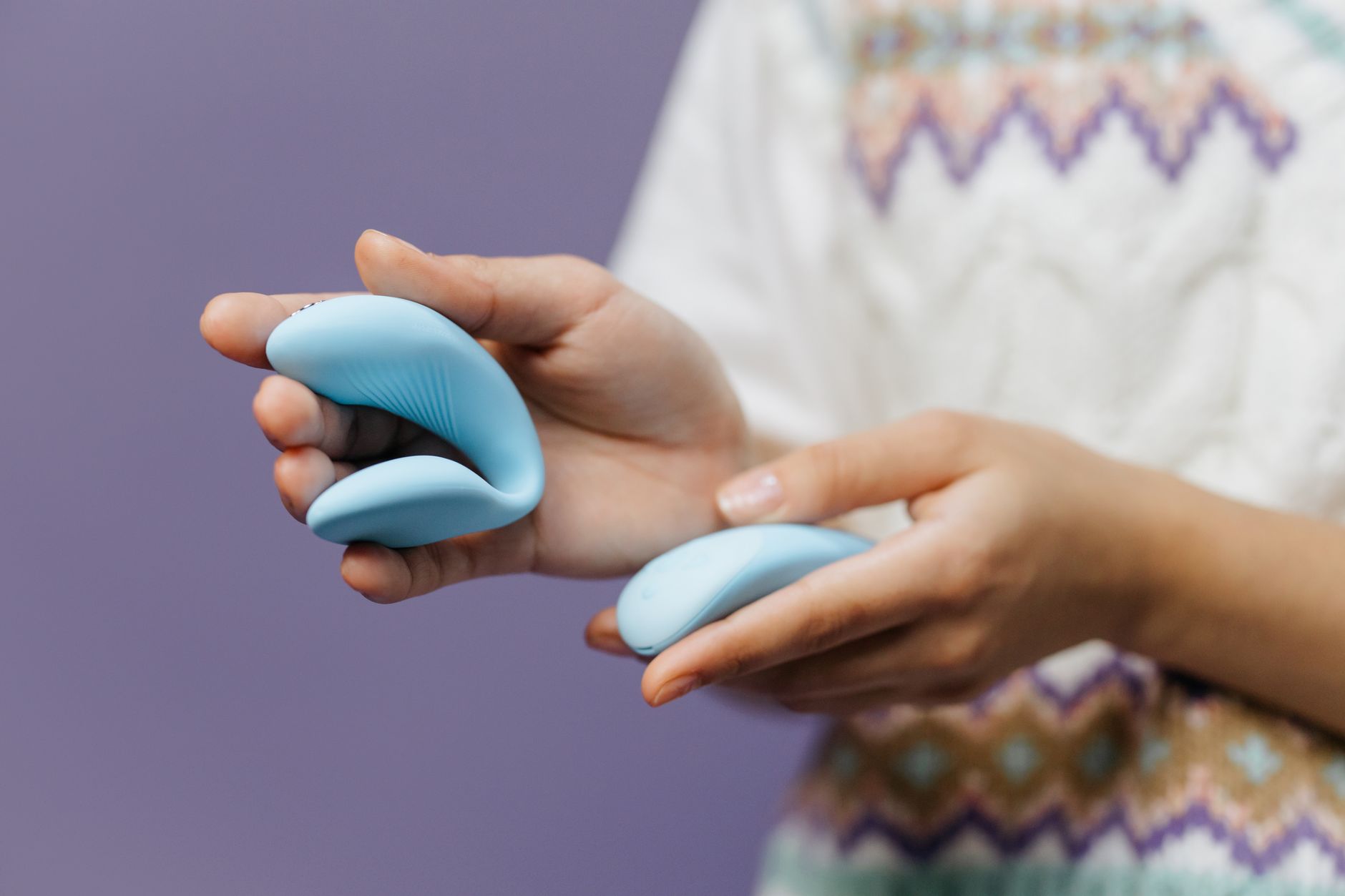
A clitoral vibrator like the Lem works differently on a post-birth-control body than it did before.
If you used one while on hormonal contraception, you may have needed higher intensities or longer warm-up because your tissue was hormonally dampened. Now, without that suppression, the same vibrator might feel more intense faster. The suction mechanism, which works by engaging nerve clusters rather than creating friction, becomes particularly effective because your natural lubrication patterns are unpredictable. You're not fighting dryness the same way.
Many people find that they can reach orgasm more quickly after stopping birth control, but the sensation quality changes. It might feel more localized, more responsive to rhythm changes, sometimes shorter and sharper rather than the longer builds they're used to. This is normal. It's just your body speaking in its native hormonal language again.
Rebuilding your relationship with arousal after hormonal suppression
Think of arousal like a muscle that's been in a cast. When you remove the cast, the muscle still works, but it's rusty and sometimes tender.
Start slower than you think you need to. If you spent years on birth control and could jump straight to intensity level 5 on your lemon vibrator, you might now find level 2 is surprisingly effective. This isn't weakness. It's what happens when you remove an arousal dampener.
Budget more time for non-genital touching. Your hormones are rebalancing, which means your full-body arousal system is waking up. Touching your neck, breasts, inner thighs, and lower belly matters more now than it might have while you were suppressed. Let your body remember sensation.
Pay attention to your cycle. You'll probably notice that arousal, lubrication, and sensitivity peak around ovulation and drop during your luteal phase. This is not your imagination. It's real. Planning self-care around these phases rather than fighting them makes everything easier. On high-sensation days, you might enjoy your clitoral vibrator more. On low days, it's fine to take a break.
The partner conversation (if you have one)
If you're with a partner, they need to understand that you're not broken. You're transitioning. Your body is fundamentally different right now, and that's information, not an apology.
The most useful thing you can do together is separate three conversations: what your body is doing right now, what your actual desires are (which may have shifted too), and what you want the intimate life to look like going forward. Bundling them into one conversation often means nobody actually gets heard.
Show them what feels good now. If you used to enjoy one thing and now it feels wrong, say so. If you want to explore your lemon vibrator together in a new way because your sensation has changed, that's worth saying directly. Partners often assume a change in response means a change in attraction. It doesn't. It means your nervous system is recalibrating.
When to check in with a doctor
Some symptoms after stopping birth control warrant a medical conversation.
If pain appears during penetration or genital contact, don't wait. This is sometimes a sign of hormonal shifts that are too extreme or too fast for your tissues to adjust. A gynecologist can rule out inflammation or recommend a temporary adjustment like a lower-dose hormonal option or topical estrogen cream.
If your cycle hasn't returned in three months after stopping the pill, or if bleeding is extremely heavy or absent, mention it to your doctor. The same goes for mood shifts that feel genuinely off. Birth control affects serotonin and dopamine, not just sex hormones. Sometimes coming off it triggers depression or anxiety that benefits from professional support.
Lubrication changes are normal. Pain or bleeding are not.
How the Lem specifically helps during this transition
The suction mechanism of a clitoral vibrator like the Lem is gentler on newly-sensitized tissue than traditional vibration because it doesn't depend on direct mechanical friction. This matters when your body is processing hormonal change.
The rhythm patterns also help. You can start on the lowest pattern and build up as your arousal develops, rather than committing to one intensity from the start. This gives your nervous system time to calibrate and your body to respond naturally.
Many people who stopped birth control report that suction-based stimulation feels more in sync with how their bodies now respond. It's worth experimenting across patterns and intensities to find where you land. That landing spot might be totally different from where you were before. That's not wrong. It's just your truth now.
The emotional piece nobody talks about
Stopping birth control can stir up feelings beyond the physical. For years, the pill or IUD meant control, predictability, and freedom from fertility anxiety. Coming off it can bring back a sense of vulnerability or loss, even if you wanted to stop.
Your pleasure is allowed to be tangled up in that. If you're grieving the loss of that control while simultaneously enjoying a resurgence in desire, both things are true at once. If you feel ambivalent about your newfound horniness, that's real too. Give yourself permission to feel complex about this transition.
Using a lemon vibrator during this time is not just physical pleasure. It's also you getting reacquainted with your own body on its own terms. That matters emotionally, not just physically.
FAQs
How long does it take for sensation to stabilize after stopping birth control?
Usually two to three months, but it can take up to six months for your hormones to fully rebalance and your cycle to regulate. Your sensation might still shift each month depending on where you are in your cycle. If major changes are still happening after six months, check with your doctor.
Can I use my lemon vibrator the same way I did before stopping birth control?
Maybe, but probably not right away. Your sensitivity has increased and your natural lubrication patterns have changed. Start at lower intensities and longer warm-up times. You'll likely find your new rhythm within a few weeks as your body adjusts.
Is it normal to feel more aroused after stopping birth control?
Completely normal. Birth control suppresses testosterone, which drives desire in all bodies with ovaries. When you stop it, testosterone rebounds, and so does baseline arousal for most people. If the increase feels overwhelming, that passes as your body equilibrates.
Why is my lubrication so inconsistent now?
Your body's natural cycle includes dry phases and wet phases. Hormonal birth control flattened that variation. Now you're experiencing your actual fertility-linked lubrication pattern again. This is healthy and normal, even if it's less predictable than you're used to. Water-based lube is your friend during the drier phases.
Should I be concerned if my orgasms feel different?
Not unless they become painful or disappear entirely. After stopping birth control, orgasm quality, speed, and sensation often shift. Shorter, sharper, or more intense is common. This usually settles within a few months as your hormones establish their new baseline.
What if I don't feel aroused yet even though it's been weeks?
Sometimes the hormonal rebound takes longer, especially if you were on birth control for many years. Stress, relationship dynamics, body image, and mental health also affect desire independent of hormones. If you're genuinely concerned, talk to your doctor. But give yourself at least eight weeks before assuming something is wrong.
You're not broken. You're just different now.
Stopping hormonal birth control is a major body transition. Your lemon vibrator, your patience, and your willingness to explore what feels good now will get you through this recalibration. Your sensation will restabilize. Your cycle will establish itself. And you'll find a new normal that's often richer and more in tune with your body's actual needs than anything you experienced while chemically suppressed.
Your pleasure matters. And it's worth taking the time to get to know it again from scratch. If you have questions about how to navigate this transition with your body, reach out to us. We're here for it.