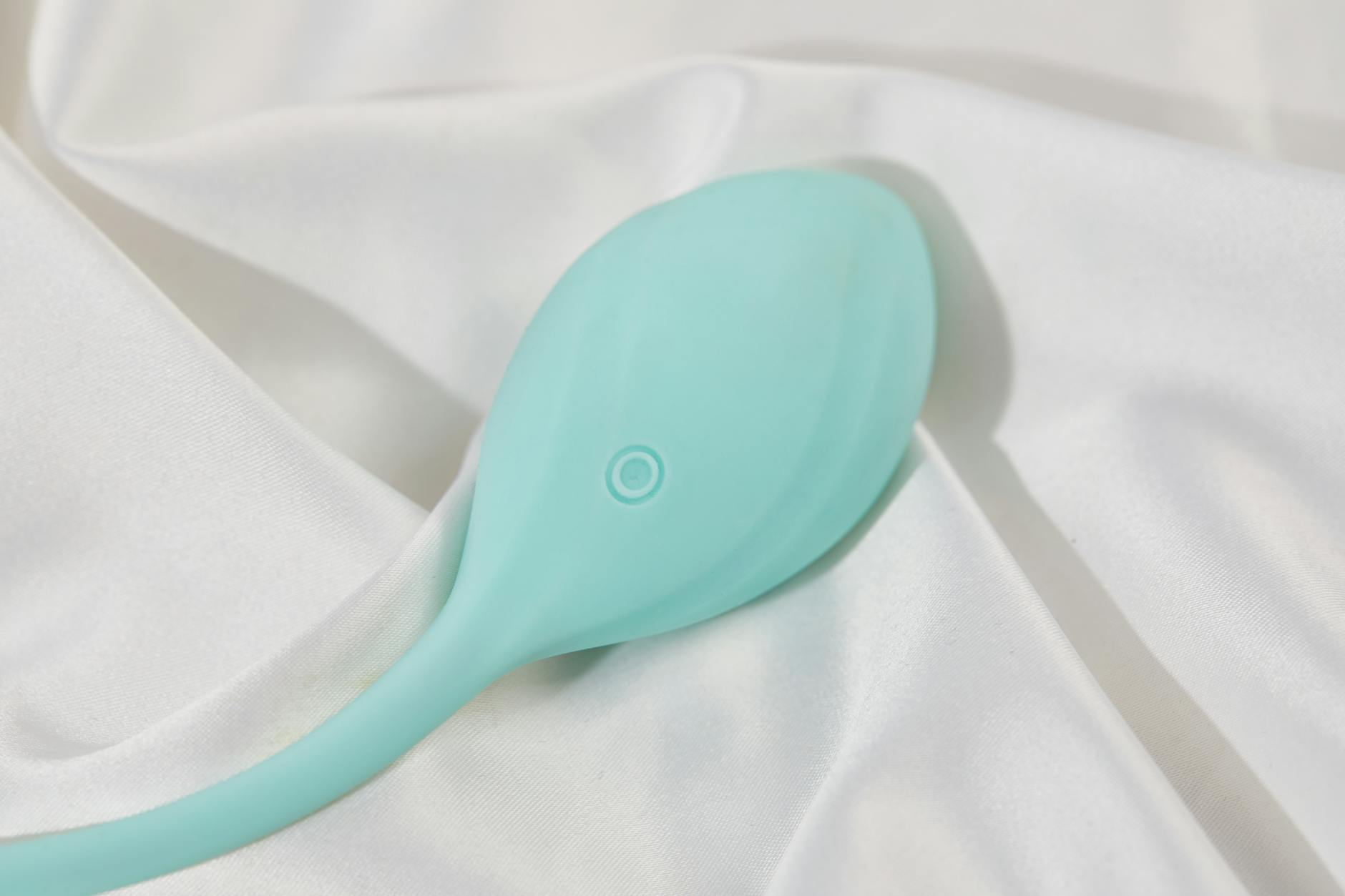
When desire just goes quiet
Let's be real: there's a massive difference between being in a temporary slump and genuinely losing sexual desire. One feels like "I haven't been in the mood lately." The other feels like someone turned off a switch and forgot where they put it. If you're in the second camp, you're not broken. You're also not alone.
Low libido that sticks around often comes from stress, relationship friction, hormonal shifts, medication, burnout, or sometimes just the slow erosion of feeling attractive in your own body. The worst part? The harder you push yourself to "get back into it," the more your nervous system digs in its heels. Pressure and desire are enemies.
That's where a lemon vibrator changes the conversation entirely.
Why traditional motivation doesn't work
Most advice around low libido leans hard into "solutions." Spice things up. Go on a date. Communicate with your partner. Wear lingerie. Exercise more. All of that might help eventually. But when you genuinely don't want sex, none of that advice lands because the problem isn't happening in your brain's planning center. It's happening in your nervous system.
When desire flatlines, your body has decided that arousal doesn't feel safe or worth the energy. That's a genuine signal, not laziness or relationship failure. The only way past it is to rebuild the pathway from "not interested" back to "actually, that sounds good." And that pathway doesn't run through willpower.
It runs through sensation.
How sensation wakes desire back up
Here's the neurobiology in plain language: arousal starts with physical sensation reaching your brain and lighting up the reward centers. When that loop shuts down, you need something that sends a strong, non-threatening signal to those reward centers without requiring you to already want sex.
A lemon sucker like the Lem works particularly well here because it doesn't ask anything of you except to sit with a sensation. No performance, no partner, no pressure to orgasm. Just your nervous system meeting a focused, gentle stimulus and remembering that pleasure exists.
The suction pattern of a lemon clitoral vibrator bypasses a lot of the mental resistance that kills arousal. Instead of friction that requires engagement, suction is almost meditative. It's something happening to you, not something you have to orchestrate. That distinction matters when desire is absent.
Three ways low libido actually shows up
Situational low libido. You want sex with your partner or alone sometimes, but it's infrequent and requires a lot of mental setup. A lemon vibrator here is about making the access easier. Less friction (literal and metaphorical) means your brain doesn't exhaust itself before pleasure even begins.
Responsive desire that's gone dormant. You used to get interested once things started, but now even that spark isn't happening. Your partner touches you and you feel... nothing. A lemon clitoral vibrator is useful specifically because it's intense enough to actually reach you. You're not starting from zero and hoping to build. You're starting with something that's already working, and letting that generate interest from there.
Complete flatline. Nothing appeals. The thought of sex feels like a chore you've already decided you can't manage. This usually signals something bigger: depression, medication side effects, hormonal imbalance, or deep relationship strain. A lemon vibrator won't fix those root causes. But using one gently and without pressure can sometimes be the first time in months your body remembers what pleasure feels like. That remembering is the door back in.
Starting again without the pressure
If you're bringing a lemon vibrator back into solo or partnered pleasure after a long break, the biggest mistake is treating it like a test. "Will this work? Am I capable of enjoying this?" That's your anxious brain running the show, and anxious brains kill arousal dead.
Instead, reframe it completely. You're not trying to get aroused. You're just... exploring a sensation. No goal. No pass-fail.
Here's what that looks like in practice:
Find a time when you're alone and not rushed. Give yourself permission to lie down, turn on a lemon vibrator at the lowest setting, and literally just feel it for five to ten minutes. Not trying to get turned on. Not trying to orgasm. Not checking whether desire is arriving yet. Just sensation.
Many people find that after three or four of these sessions with zero pressure, something shifts. The nervous system stops bracing and starts paying attention. Desire trickles back. Not suddenly, not dramatically. But noticeably.
When a partner's involved
If you're partnered and your libido has disappeared, using a lemon vibrator together (or knowing your partner is supportive of you using one solo) removes a massive amount of shame and pressure from the dynamic. You're no longer the person who "doesn't want sex anymore." You're both people exploring pleasure together in a way that actually works for your body right now.
This reframe is surprisingly powerful. The moment your partner understands that a lemon clitoral vibrator isn't a replacement for them but a tool to help you feel like yourself again, the shame lifts. And shame is one of the biggest thieves of desire.
The role of lubricant
One detail that changes everything: use water-based lubricant with a lemon vibrator when your arousal feels numb or low. Even if you're naturally lubricated, the slickness makes sensation more acute. A lemon sucker has a smaller contact area than other toys, and lubrication helps it feel like something rather than nothing.
When desire is flat, your nervous system needs clearer signals. Lubricant makes those signals easier to receive.
Medications, hormones, and when to ask for help
If your libido tanked after starting an antidepressant, changing hormonal birth control, or entering perimenopause, a lemon vibrator can help you stay connected to pleasure while your doctor and you figure out the bigger picture. But it's not a workaround for a medication or hormonal issue that might need professional adjustment.
Talk to your doctor if low libido showed up alongside other changes: mood shifts, fatigue, hot flashes, vaginal dryness. Those details matter because they point to whether this is situational or hormonal. A lemon clitoral vibrator is a useful companion either way, but the root issue might need different support.
The permission piece
Here's what nobody tells you about rebuilding desire after it goes flat: you have to give yourself permission to feel pleasure slowly. Not to rush back to some imagined "normal." Not to perform enthusiasm you don't actually feel. Just to notice small shifts.
Using a lemon vibrator at the lowest intensity, with no goal, in a space where you feel completely safe. That's the beginning. Not because it's magical. But because it's honest. Your nervous system knows the difference between being coerced into pleasure and being invited to feel it. Only the second one actually works.
When solo exploration turns into something more
Some people find that after a few weeks of using a lemon sucker alone, curiosity about partnered sex starts to return. Others find that solo pleasure is enough for now, and that's perfect too. There's no deadline to get your libido "back to normal." There's just you, deciding what pleasure looks like right now.
A lemon vibrator is neutral. It doesn't care whether you're using it to rebuild desire, to check whether sensation is even possible anymore, or to give yourself something that feels good while everything else feels heavy. It just offers sensation. What you do with that is entirely yours.