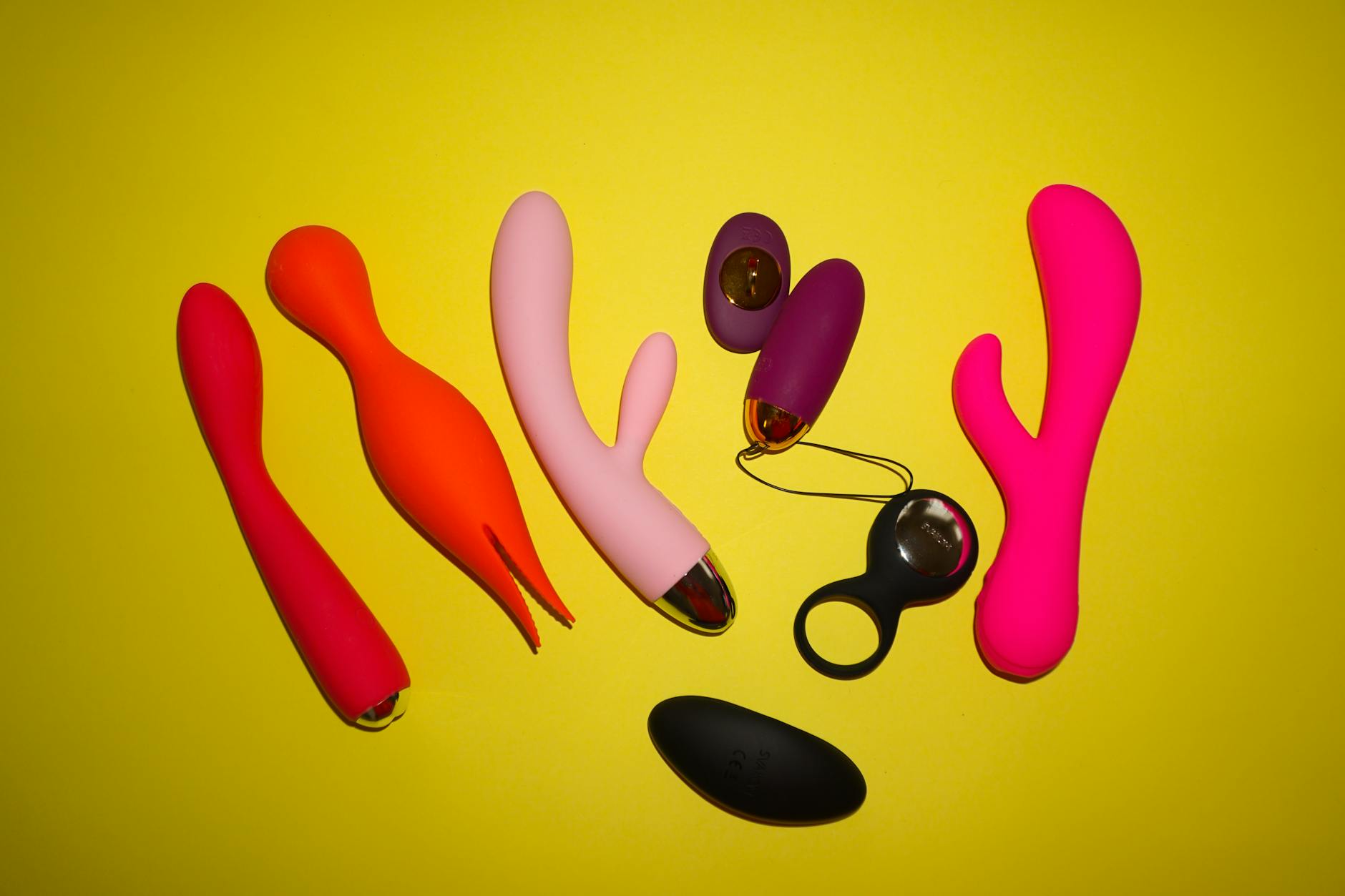
Here's what nobody tells you about lemon vibrators and condoms
You're using a condom. Your partner wants to bring a lemon clitoral vibrator into the mix. You're wondering if that's even safe, or if the vibration tears through latex, or if the lube on the toy interacts badly with the condom. These are completely legitimate questions, and the fact that you're asking them before jumping in puts you ahead of most people.
The answer is: yes, you can absolutely use a lemon vibrator with condoms safely. But there are specific things you need to know to keep it actually safe and actually enjoyable.
Why people worry about vibrators and condoms
The concern makes intuitive sense. Condoms are barriers. Vibrators create movement. Does friction wear through latex? Can lube interactions create weak spots? Will the intensity compromise protection?
Here's the actual risk profile. Condom failure with vibrator use is not a documented problem in sexual health literature. What IS a real risk is user error: applying vibrators at angles that unseat the condom, using oil-based lubes that degrade latex, or not checking for tears afterward. None of these are vibrator-specific problems. They're protection-practice problems that show up regardless of whether a toy is involved.
The vibration itself does not damage condoms. The friction from a partner's body creates far more mechanical stress than a silicone toy ever could.
Lube is where most people get it wrong
This is the actual decision point. The lube you use with your lemon vibrator changes what you can do safely.
If you're using a condom, you need a water-based lubricant. Full stop. Not because vibrators are special. But because oil-based and silicone-based lubes break down latex. When latex breaks down, protection fails. This applies to any toy, with or without vibration.
Water-based lubes are completely safe with condoms, and they work perfectly well with lemon sexual toys. They dry out a bit faster than silicone lubes, which means you might need to reapply if you're going for a longer session. But that's a minor inconvenience, not a dealbreaker.
If your partner prefers silicone-based lube, you have two options. Switch to a non-latex barrier like polyisoprene or polyurethane condoms (which work with silicone lubes). Or stick with water-based lube when barriers are involved. Both are solid choices.
How to actually use a clitoral vibrator with condoms safely
Three concrete steps:
Step one: check the condom before you start. Open it carefully, inspect the wrapper for holes or tears, and look at the condom itself. This takes 10 seconds and catches manufacturing defects. It's not about vibrators. It's basic practice.
Step two: apply water-based lube to the condom, then to the toy. Lube reduces friction and helps keep the condom in place. Dry condom sex is how condoms slip. Lube is your friend here.
Step three: keep an angle check running. If you're using a lemon vibrator on the vulva while a penis or dildo is inside, make sure the penetrating partner isn't angling in a way that pushes the condom off. This is rare, but it happens. Communication about comfort and fit matters.
Afterward, check the condom before removal. If it tore or slipped, you have information you need. Most of the time it'll be fine. But condom failures are visible, not invisible, so you can catch them.
The pleasure angle: does the condom change how the vibrator feels?
Yes, slightly. A condom creates a microscopically thicker layer between sensation and skin. Most people don't notice. Some do. The way to think about this: condoms are non-negotiable for STI and pregnancy protection if that's relevant to your situation. If reduced sensation is a real problem, water-based lubricant helps, and a properly fitted condom (not too loose, not strangled on) helps more than you'd think.
A lemon clitoral vibrator like the Lem uses suction-based stimulation rather than pure vibration, which can actually feel less affected by condom thickness than traditional vibrators because the mechanism isn't relying on vibration alone to create sensation.
What NOT to do
Don't use oil-based lubes with condoms. Ever. This includes coconut oil, almond oil, massage oils, or anything that lists oil as the main ingredient. They're condom killers.
Don't assume a condom is fine after visible contact with toys. If there was rough friction, check it. If it rolled off the base, replace it before continuing.
Don't skip lube and expect friction to be fine. Dry condom + vibration is how condoms fail, not because vibrators are uniquely dangerous, but because any friction without lubrication stresses latex.
Don't use the same lube bottle for both your vibrator and direct condom application without thinking about which lube is in the bottle. Keep water-based lube clearly labeled for condom use if you're switching between lube types.
The conversation with your partner
If you're introducing a lemon vibrator into partnered sex for the first time, the condom conversation is part of that. Here's the simple version: "I want to try a clitoral vibrator with you. We'll use water-based lube to keep the condom safe. Let me know if the angle or intensity feels off."
That's it. You're communicating a preference, a safety boundary, and an openness to feedback. All three matter.
If your partner is worried about the vibrator compromising protection, you can share what you now know: water-based lube is the key variable, condoms don't tear from vibration, and the actual risk profile is lower than most people think. You're protecting both the protection and the pleasure.
When external vs. internal matters
Most lemon clitoral vibrators are designed for external stimulation, which means they never go inside. This actually simplifies the condom question. You're vibrating the vulva while your partner is using a condom inside. They're separate surfaces. The main thing to manage is positioning so the condom stays in place.
If you're ever using an internal toy (which most Hello Nancy products aren't) alongside a condom, the same rules apply. Water-based lube, check the condom, manage angles.
The research bottom line
Condoms are one of the most studied contraceptive and STI prevention methods we have. We know their failure rates under typical use, perfect use, and various stress scenarios. Vibrator use is not documented as a significant failure variable in that research. What matters is lube selection, condom fit, and user technique.
You're not choosing between protection and pleasure. You're choosing how to have both.
Frequently asked questions
Can a vibrator puncture a condom?
No. Silicone toys (including lemon vibrators) are softer than skin and create less mechanical stress than a partner's body. The vibration itself doesn't create puncture risk. Condom failure with toys is almost always lube-related (oil breaking down latex) or technique-related (condom slipping from poor fit or angle), not material failure from vibration.
Is water-based lube safe to use long-term with condoms?
Completely. Water-based lubes are the gold standard for condom use. They're compatible with all barrier types, they won't degrade latex, and they wash off easily. The only downside is they dry out during longer sessions, which just means reapplication. That's not a safety issue, just a practical one.
What if the condom rolls during vibrator use?
If you notice it rolling, stop and reposition. A rolled or slipped condom isn't protecting anyone. Take it off, inspect it, and start fresh with a new condom. Don't keep going hoping it'll settle. Condom fit matters more than continuity. Five seconds to replace is worth the protection.
Can you use a lemon sucker toy with a condom on a partner?
No. These toys are designed for clitoral stimulation on a vulva, not for use on a penis. If you want to incorporate the lemon vibrator into penetrative sex, it works externally on the vulva while the condom protects the penetrating partner. That's the primary use case and it works beautifully.
Do condoms reduce the sensation from lemon clitoral vibrators?
Condoms aren't going near the clitoral vibrator if you're using it correctly. The toy stimulates the vulva directly. The condom protects the partner inside. There's no sensation reduction from the toy itself. If penetration sensation feels reduced (which some people notice with condoms generally), that's not a vibrator issue.
What's the safest lube for both vibrators and condoms?
Water-based lubes. Always. Check the bottle. If it says "water-based," it's safe with condoms. If it says "silicone-based" or "oil-based," it's not. Brands like Sliquid, Pjur, and generic drugstore water-based lubes all work. The price doesn't matter. The ingredient list does.
The real takeaway
Using a lemon vibrator with condoms is safe when you pay attention to lube type and condom fit. Water-based lubricant is your biggest ally. Check your condom before use. Communicate with your partner about angle and comfort. And remember: protection and pleasure aren't opposing forces. They're the same conversation.
If you have specific questions about integrating a clitoral vibrator into your sex life safely, we're here. Reach out to us anytime at /contact.
For more on keeping your toys and your body safe, check out our safety guides and care instructions.